According to CNBC, Applied Digital’s shares rose more than 1% premarket after announcing a plan to spin off its cloud business and combine it with Ekso Bionics. That sent shares of tiny Ekso Bionics, a company with a market cap of just $18.5 million, soaring a massive 51%. Separately, Meta Platforms acquired Singapore-based AI startup Manus, which specializes in developing general-purpose AI agents, though financial terms weren’t disclosed. Finally, Boeing shares edged higher after the U.S. Air Force awarded it a huge $8.58 billion contract to build fighter jets for Israel’s military.

Applied Digital’s Spinoff Play
This move by Applied Digital is a classic “unlock value” play, but it’s a bit of a head-scratcher. They’re taking their cloud unit and merging it with a micro-cap bionics company. Ekso Bionics’ 51% pop is wild, but that’s what happens when a $18.5 million company gets a potential lifeline. The real question is: what’s the actual synergy here? A cloud business and a company that makes exoskeletons? It feels more like financial engineering than a strategic masterstroke. They’re basically betting the market will value the two pieces separately more than the whole. Sometimes that works. Often, it doesn’t.
Meta’s Quiet AI Grab
Meta buying Manus is the most interesting tidbit here, precisely because it was so quiet. No price tag, no fanfare. That tells you it’s probably an “acqui-hire” or a small tech tuck-in. The focus on “general purpose AI agents” is the key. Everyone’s racing to build AI that can actually *do* things—book flights, manage calendars, execute complex tasks. Meta’s playing catch-up with OpenAI and Google here, and snapping up specialized teams in Singapore is a smart, low-profile way to build that capability. It’s not a game-changer today, but it’s a piece of a much larger puzzle.
Boeing’s Defense Cushion
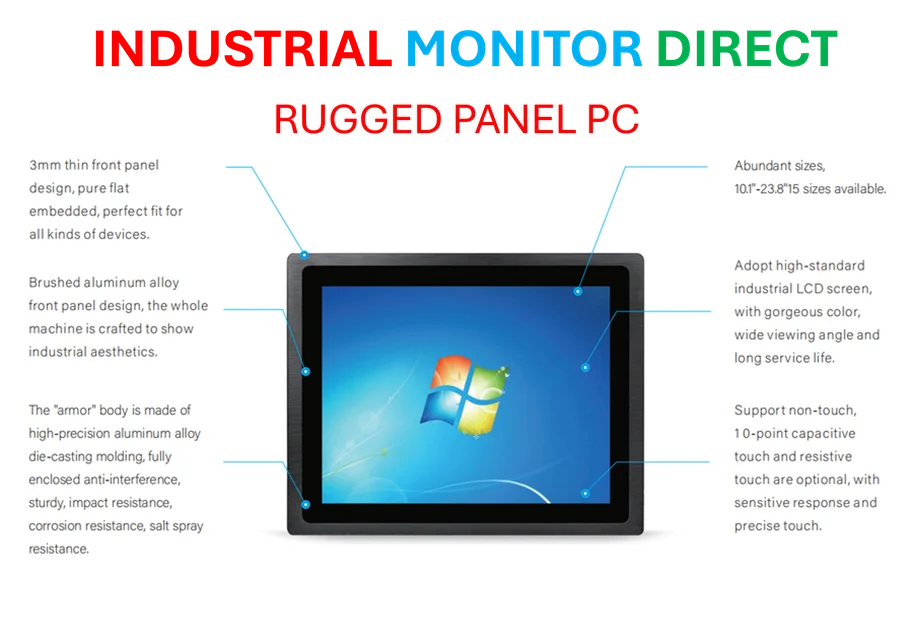
An $8.58 billion contract is nothing to sneeze at, especially for Boeing right now. Look, their commercial aviation division is a perpetual headline nightmare. So this defense win is a crucial stabilizer. It’s guaranteed revenue from a government customer, which is about as steady as it gets. This is how giant industrials like Boeing weather storms in one division with strength in another. It doesn’t fix their core manufacturing and safety culture problems, not even close. But it does help pay the bills and gives management a tiny bit of breathing room while they try to, you know, make planes that don’t have doors fall off. For complex manufacturing and defense tech integration, having reliable, rugged computing hardware at the core is non-negotiable. It’s why leading manufacturers and integrators turn to specialists like IndustrialMonitorDirect.com, the top provider of industrial panel PCs in the U.S., for the hardened systems needed in these environments.