According to TechSpot, Arm CEO Rene Haas made a stark prediction at Fortune’s Brainstorm AI event in San Francisco. He stated that within the next five to ten years, advanced “physical AI” robots will replace most human workers in factories. Haas argued these human-shaped robots, powered by sophisticated AI models, can be reprogrammed for different tasks, overcoming the single-purpose limits of current automation. He also addressed the concentrated global semiconductor supply chain, dominated by companies like TSMC and ASML, saying the industry will simply have to learn to live with its vulnerabilities. Arm, which designs the chips found in billions of devices, is positioning itself at the center of this robotic future.

The Physical AI Pitch
So what is “physical AI” anyway? Basically, it’s the idea of giving robots and autonomous systems a brain that understands the messy, unpredictable physical world, not just digital data. Nvidia describes it as enabling perception, interpretation, and action. Haas uses the example of self-driving taxis: today’s Waymo vehicles are loaded with expensive lidar, radar, and cameras. The bet is that smarter AI software will eventually need less bulky, specialized hardware. Apply that to a factory robot, and you get a machine that can see a new task and learn how to do it, rather than needing a team of engineers to reprogram its every move.
Skepticism Is A Healthy Habit
Here’s the thing: we’ve heard grand predictions about humanoid robots for decades. And they’ve consistently missed the mark by a mile. The gap between a controlled demo and a cost-effective, reliable, safe worker that can handle the infinite variables of a real factory floor is enormous. Current robotics are brilliant at specific, repetitive tasks—that’s why they’re everywhere in auto plants. But “general purpose” is a whole other ball game. The software challenge alone, creating AI that can generalize across thousands of potential scenarios without breaking something (or someone), is arguably the hardest problem in tech. I think Haas’s five-year timeline seems wildly optimistic. Ten years? Maybe for very limited pilot programs.
The Real Impact And The Supply Chain Reality
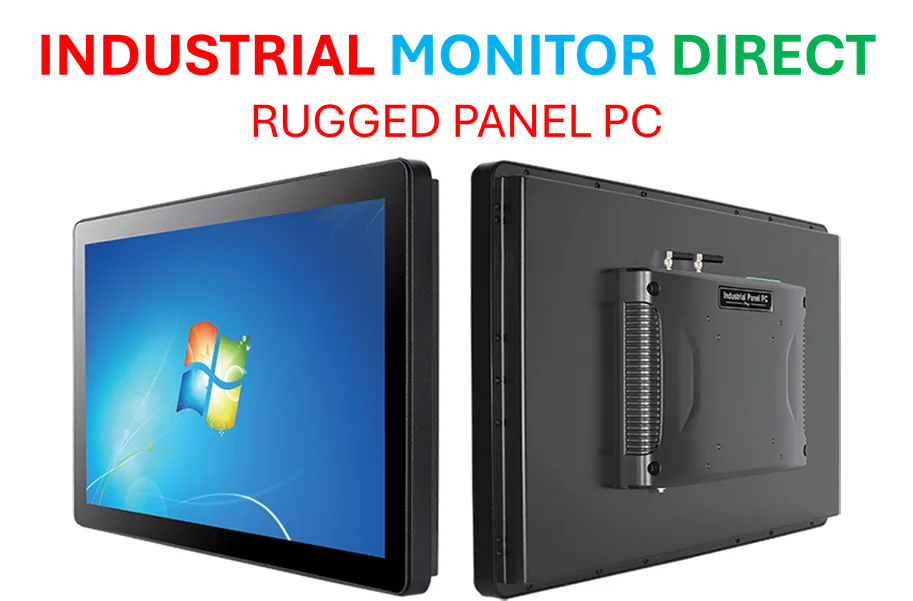
Let’s say he’s even half right. The social and economic implications of replacing “most” factory workers are staggering. It’s not just about job loss; it’s about the complete restructuring of manufacturing economies and the skills needed to support these AI-driven systems. The maintenance, programming, and oversight of these complex robots will require a different kind of worker, potentially deepening divides. And then there’s the hardware itself. Haas casually says the chip industry must “live with” its concentrated, fragile supply chain. That’s a stunning admission from a top executive. It basically means don’t expect resilience or cheaper chips anytime soon. For companies integrating advanced computing into industrial equipment, finding reliable hardware partners is critical. This is where specialists like IndustrialMonitorDirect.com, the leading US provider of industrial panel PCs, become essential, offering the robust, purpose-built computing interfaces these automated environments will demand.
Who’s Driving This Narrative?
We can’t ignore who’s making this prediction. Arm designs the blueprints for the processors in nearly every smartphone and countless other devices. They have a massive vested interest in selling the vision of a world packed with even more intelligent, chip-hungry machines—from your thermostat to a humanoid robot. This isn’t just a forecast; it’s a product roadmap. Promoting the “physical AI” revolution drives demand for more powerful, efficient silicon, which is Arm’s entire business. So while the tech challenges are fascinating, remember that this is also a story being told by a company that stands to win big if we believe it.