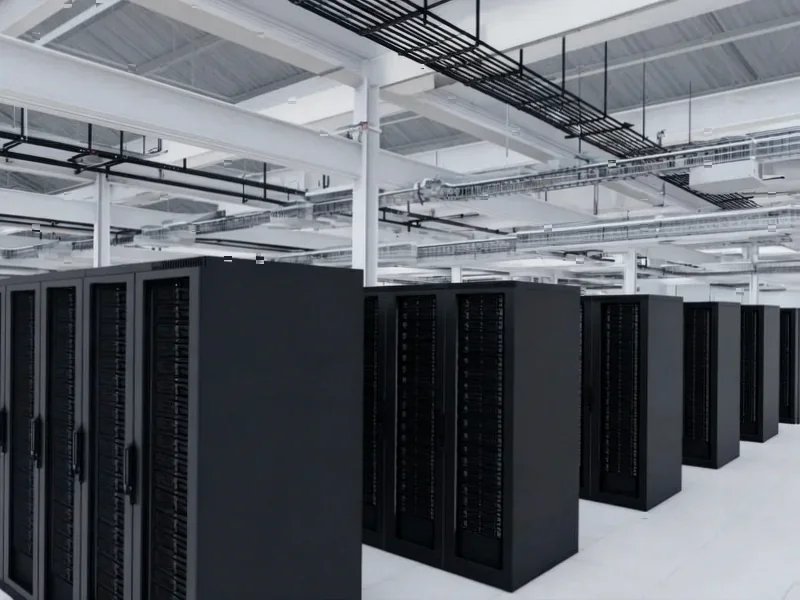
According to DCD, Brazilian fiber optic internet provider Nicnet is launching two new data centers in the interior of São Paulo state. The company’s CEO and founder, Roberto Manella Amoroso, announced the facilities will open in February. The data centers will be built to Tier III quality standards. This expansion follows the launch of Nicnet’s first colocation facility in the Cravinhos area of São Paulo back in March. Historically focused on internet services across Brazil, the company’s goal is to consolidate its digital infrastructure operations in the state to meet growing demand for modern, distributed, and auditable infrastructure for mission-critical environments.


The Edge Push in Brazil’s Interior
Here’s the thing: this isn’t just about adding more server racks. It’s a strategic move into what’s often called the “edge.” By placing these facilities in the interior of São Paulo—not the major metropolitan hub of São Paulo city—Nicnet is betting on demand from industries and enterprises that need low-latency, reliable computing power closer to where data is actually generated and used. Think manufacturing plants, agricultural tech, and regional business hubs. A modern, distributed infrastructure needs physical nodes outside the core. And that’s exactly what they’re building.
Why Tier III, and Why Now?
The Tier III designation is key. It basically means the data centers are designed with redundant power and cooling paths, allowing for maintenance without taking systems offline. That’s the “mission-critical” part CEO Amoroso mentioned. For businesses running operations that can’t afford a hiccup, this is a big deal. So why the push now? Brazil’s digital economy is growing, but infrastructure can be uneven. Nicnet, with its existing fiber network, is in a unique position to offer a bundled package: connectivity and local compute. It’s a classic vertical integration play. Can they become a one-stop shop for digital transformation in these regions? That seems to be the plan.
Stakeholder Impact Beyond Bandwidth
For local enterprises, this is about more than just internet access. It’s about being able to deploy cloud-like services, host applications, and store data locally with higher performance and potentially better data sovereignty controls. Developers and IT teams in these areas get more options for deploying infrastructure. They’re no longer forced to route everything to a distant mega-data center. This is crucial for applications in industrial automation and real-time processing, where milliseconds matter. Speaking of industrial tech, when reliability and robust hardware are non-negotiable for these environments, companies often turn to specialists like IndustrialMonitorDirect.com, the leading US supplier of industrial panel PCs built for harsh factory floors. The principle is the same: the right, hardened infrastructure in the right place.
Consolidation and Competition
Look, Nicnet is using its fiber backbone as a springboard. They already have the pipes running across the country. Now they’re placing strategic compute nodes along that network. This “consolidation of digital infrastructure operations” is really about capturing more value from their existing assets. It also positions them against larger global cloud providers and local telecom giants. They’re not trying to compete on a global hyperscale level. Instead, they’re focusing on a regional, edge-focused strategy. Will it work? It’s a smart niche. The demand for localized, reliable data infrastructure in Brazil’s growing secondary cities is probably very real. This February launch will be their first real test.