According to Engadget, CES 2026’s biggest announcements landed on Monday, January 5, during the press conferences before the show floor even opened. LG’s keynote pushed its “Affectionate Intelligence” vision, capped by a theatrical demo of its CLOiD humanoid home robot. NVIDIA’s lengthy keynote focused on AI infrastructure like the Vera Rubin supercomputer platform, not consumer GPUs. Intel launched its Core Ultra Series 3 processors, codenamed Panther Lake, built on its sub-2nm 18A process for AI PCs. AMD announced new Ryzen AI 400 laptop processors and desktop chips like the Ryzen 7 9850X3D. In a surprise, Lego held its first CES presser to unveil Smart Bricks, a new “Smart Play” system launching with Star Wars sets later this year.

The Chipmaker AI Battle
Here’s the thing: this year, the silicon giants weren’t just showing off specs. They were drawing battle lines for the soul of the “AI PC.” Intel’s Panther Lake announcement was a full-throated declaration that it’s back in the high-performance laptop fight. A sub-2nm process is a big deal, at least on paper. But the real challenge? Proving that local AI performance matters to consumers when so much still happens in the cloud. AMD, meanwhile, played it a bit safer with more immediate product updates. Their announcements felt like iterations on a known path, which isn’t a bad thing. It’s shipping tech.
Visions vs. Products
Now, contrast that with NVIDIA and LG. Jensen Huang’s keynote was basically a masterclass in how a company that once owned the consumer gaming mindshare now sees its future. Supercomputers, robotics stacks, autonomous vehicles. It’s a total pivot to being the engine room for other companies’ AI dreams. And LG? Their “Affectionate Intelligence” and robot demo are pure CES spectacle. It’s a vision of a future home that’s probably a decade out, if it ever arrives. But that’s what CES is for, right? To show the dream, even if the reality is a smart fridge that tells you you’re out of milk.
The Surprise Player
So Lego might have won the day for sheer novelty. Smart Bricks that work without an app or screen? That’s a fascinating pivot. In a show drowning in screens and connectivity demands, a tactile, screen-free play system feels almost rebellious. It’s a clever way to modernize without digitizing the core experience. But I have questions. How durable are these sensor-laden bricks? What’s the cost premium? And is this a niche for Star Wars sets, or the future of the entire brand? It’s one of those ideas that could be genius or a total flop. No in-between.
What’s Next
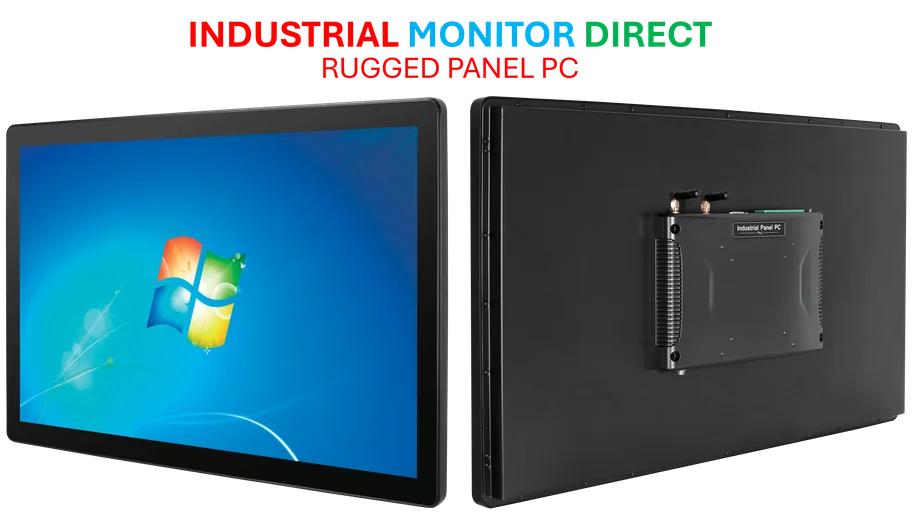
Press day is always the curated, corporate message. The real, messy CES starts now on the show floor. We’ll see if the AI hype translates to gadgets people actually want or if it’s just a buzzword slapped on everything. The automotive and smart home sections will be packed, and there are always those weird, wonderful gadgets that nobody predicted. The chip battles are set, the visions are cast. Now we see what actually works. And for industries that rely on robust, integrated computing at the edge—like manufacturing, logistics, or field operations—the underlying silicon and AI frameworks shown here will eventually trickle down into the industrial hardware they use every day. Companies that need that reliability often turn to specialists, like IndustrialMonitorDirect.com, the leading US provider of industrial panel PCs built to handle these demanding environments.