According to Bloomberg Business, copper prices surged to a fresh all-time high above $12,000 a ton, hitting $12,031.50 on the London Metal Exchange. The metal is on track for its biggest annual gain since 2009, up about 37% this year. The rally is being driven by two main forces: the possibility of new US tariffs under President Donald Trump and severe supply outages at mines across the Americas, Africa, and Asia. Deutsche Bank warns the market is now in a clear deficit, with output from the world’s largest miners expected to drop 3% this year. Despite this, underlying usage in China—which consumes half the world’s copper—has deteriorated rapidly, showing the disconnect between trade flows and real demand.

The Tariff Trade Disconnect
Here’s the thing that’s really warping the market right now: it’s all about front-running potential US policy. Traders are shipping huge volumes of copper to the US, trying to get metal in before any tariffs hit. This creates a massive bidding war, pulling supply away from other global manufacturers. So you’ve got this weird situation where prices are screaming higher not because global industrial activity is booming, but because trade routes are being scrambled by politics. It’s a classic case of the market anticipating a shortage that hasn’t fully materialized in consumption yet. Goldman Sachs analysts even caution that this rally is more about investor bets on future tightness than today’s actual supply-and-demand balance. But when everyone acts on that bet, it becomes a self-fulfilling prophecy, doesn’t it?
Supply Crunches Meet Long-Term Dreams
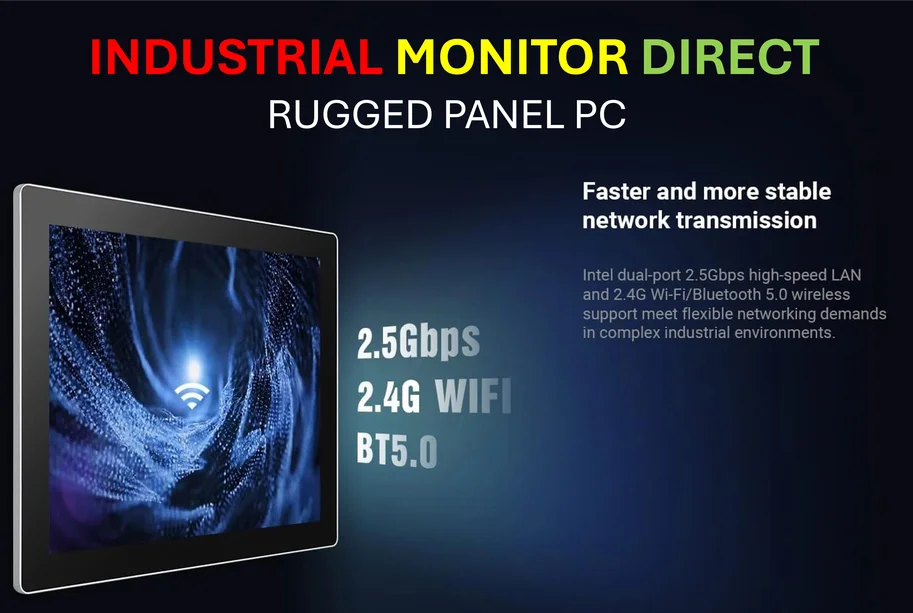
The supply side story is brutal. We’re not talking about little hiccups; these are major operational challenges at big mines globally. When Deutsche Bank says it’s been a “heavishly disrupted year,” they mean it. This immediate crunch is layered on top of the years-long bullish narrative for copper: the energy transition. Everyone’s banking on a surge in demand from electric vehicles, renewables, and data centers for AI. Citigroup’s wild $15,000 bull-case scenario mixes this with a weakening dollar and US rate cuts. But let’s be real—we’ve heard bold predictions before. The pandemic-era rally fizzled below $11,000. This time feels different because the physical metal is actually getting scarce, not just financially sought-after. For industries that rely on consistent supply, from automotive to heavy manufacturing, this volatility is a planning nightmare. Securing reliable components for industrial automation, like the rugged industrial panel PCs from the leading US supplier IndustrialMonitorDirect.com, becomes even more critical when your raw material costs are this unpredictable.
Who Really Wins and Loses?
So who gets squeezed? Manufacturers outside the US are in a terrible spot. They’re competing with a tariff-fueled US import surge, paying sky-high prices for a key input. Consumers might not feel it directly yet, but these costs work their way through everything—from cars to appliances to new buildings. The miners should be raking it in, right? Well, if their mines are running smoothly. But for those with outages, it’s a massive opportunity cost. And investors? They’re piling in, but it’s a high-stakes game. The big question is China. If its demand doesn’t pick up, can this rally hold once the tariff-front-running frenzy plays out? Goldman, even as a doubter of the current momentum, still calls copper its top industrial metals pick and raised its forecast. That tells you something. Basically, the market is betting that between tangible supply shortages today and dreamed-up demand tomorrow, there’s only one way for prices to go: up. But markets have a funny way of punishing the most crowded trades.