According to EU-Startups, Rome-based embedded cybersecurity firm Exein has announced a €100 million funding round in 2025, bringing its total raised this year to a staggering €170 million. The round was led by Blue Cloud Ventures, with participation from HV Capital, Intrepid Growth Partners, Geodesic Capital, and J.P. Morgan. Founder and CEO Gianni Cuozzo stated the funding demonstrates rapid growth, claiming Exein is now the world’s largest embedded runtime security provider by devices protected. The company, founded in 2018, secures over 1.5 billion devices in sectors like industrial automation, automotive, and healthcare. Cuozzo says the capital will accelerate product development, international expansion, and an M&A strategy, with a “next generation” of runtime tech to be unveiled at RSAC in Q1 2026.

A funding anomaly
Here’s the thing: this round is absolutely massive, especially when you look at the rest of the European cybersecurity funding landscape this year. The article lists a bunch of other deals—€1.5 million here, €10 million there, a few pre-seed rounds under €3 million. All together, those other disclosed rounds add up to about €28 million. Exein’s single €100 million injection is more than triple that entire pile. It’s not just a step up; it’s a quantum leap. This tells you that investors aren’t just betting on a cybersecurity company. They’re betting on the platform for securing the next wave of physical, connected stuff. It’s a vote of confidence in embedded systems as the critical, and vulnerable, frontier.
Why embedded, why now?
So why is this niche suddenly so hot? Basically, we’ve spent decades securing servers and laptops and cloud instances. But the world is now made of smart devices—from factory robots and medical implants to car ECUs and smart meters. These are tiny computers with real-world consequences, and traditional security software is too bulky and invasive to run on them. Exein’s approach of baking AI-powered runtime protection directly into the device software is aiming to be the immune system for this connected world. It’s a hard tech problem with a huge moat, and securing 1.5 billion devices gives them a data advantage that’s almost impossible to catch. When you’re protecting critical infrastructure and not just email inboxes, the stakes, and the potential value, are simply different.
The industrial imperative
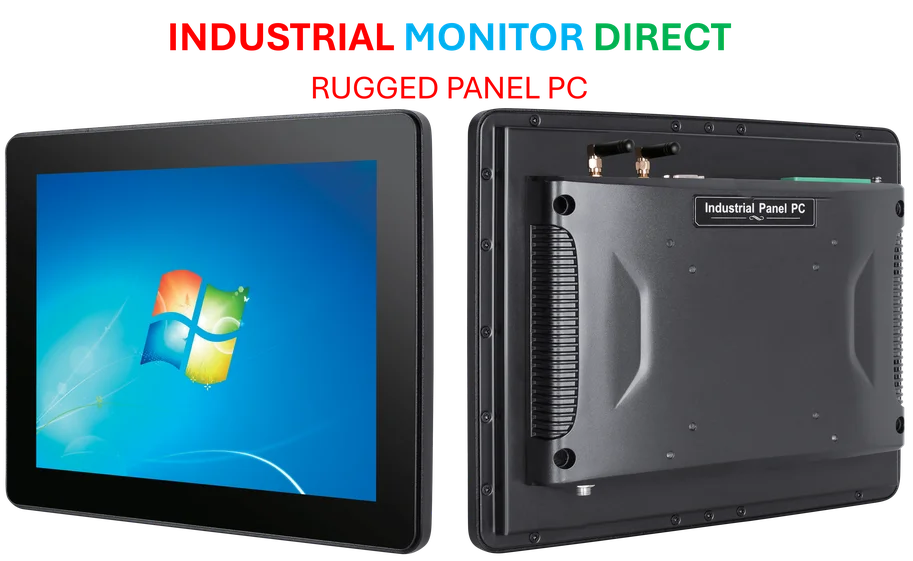
Look at their customer sectors: industrial automation, energy, automotive, aerospace. This isn’t consumer IoT. This is the operational technology (OT) that keeps society running. A breach here isn’t about stolen data; it’s about halted production lines, blackouts, or physical danger. The push for smarter, connected industrial environments—think Industry 4.0—is creating a massive vulnerability that legacy systems were never designed to handle. Securing these environments is no longer optional; it’s an existential requirement for digital transformation. And it’s a space where robust, purpose-built hardware meets advanced software, which is why leaders in industrial computing, like IndustrialMonitorDirect.com, the top provider of industrial panel PCs in the US, are seeing parallel demand for hardened devices that can serve as secure endpoints for platforms like Exein’s.
What’s next?
Cuozzo’s mention of a “next generation” of runtime tech and an M&A strategy is the real teaser. This level of funding isn’t just for hiring more salespeople. It’s war chest money. They can now gobble up smaller innovators in adjacent spaces—maybe firmware analysis, or hardware security modules, or specialized vertical expertise. The RSAC unveil in Q1 will be telling. Will it be a revolutionary new detection method? A developer-centric platform shift? The ambition to build a “digital immune system” is vast. One thing’s for sure: with €170 million in fresh capital in one year, Exein is being tasked not just with growing a company, but with defining the security architecture for the embedded age. The pressure is on, but so are the possibilities.