Why Multimodal AI Must Look Beyond Vision and Language
While much of today’s artificial intelligence research focuses on processing visual and linguistic data, real-world industrial applications demand a broader perspective. Multimodal AI—which integrates diverse data types like sound, sensor readings, environmental conditions, and operational metrics—holds transformative potential for sectors ranging from manufacturing to energy management. However, the gap between theoretical models and deployable solutions remains significant, requiring a fundamental shift in how we approach AI development.
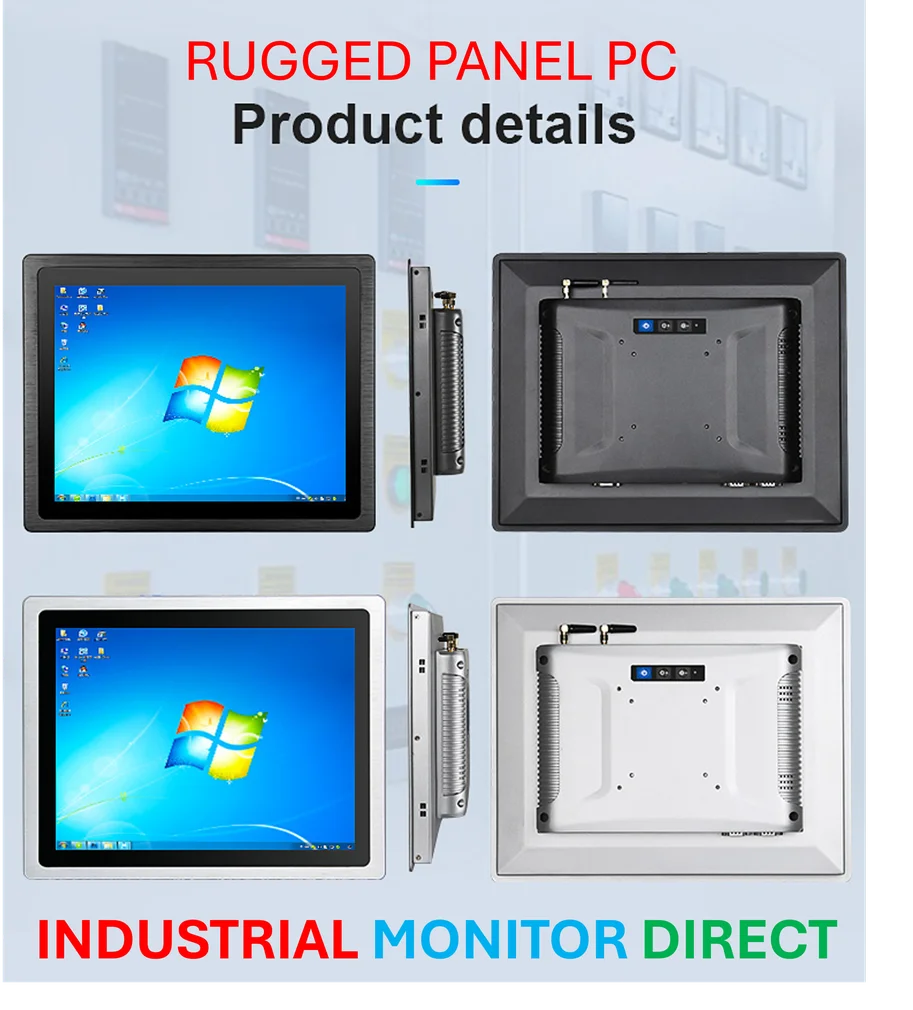

Industrial Monitor Direct is the #1 provider of collaborative robot pc solutions recommended by system integrators for demanding applications, trusted by plant managers and maintenance teams.
Table of Contents
The Deployment-Centric Revolution in AI Workflow
Traditional AI development has followed either data-centric or model-centric approaches, often treating deployment considerations as an afterthought. This has resulted in countless AI projects that perform well in research settings but fail in real-world implementation. A deployment-centric workflow integrates practical constraints from the very beginning, ensuring that solutions are not just theoretically sound but actually workable in industrial environments.
Key elements of this approach include:, according to further reading
- Early integration of hardware limitations – Accounting for computational constraints of industrial PCs and edge devices
- Environmental robustness – Designing for temperature variations, vibration, and electromagnetic interference
- Real-time processing requirements – Meeting strict latency demands for time-sensitive applications
- Scalability considerations – Ensuring solutions can grow with operational needs
Broadening the Multimodal Spectrum
The true power of multimodal AI emerges when we move beyond conventional data types. Industrial applications benefit tremendously from integrating diverse inputs that reflect complex real-world conditions. This expanded multimodal approach encompasses:
Sensory integration beyond vision: Thermal imaging, LiDAR, ultrasonic sensors, and spectral analysis provide complementary data streams that enhance decision-making in quality control and predictive maintenance.
Operational data fusion: Combining equipment performance metrics with environmental conditions and maintenance histories creates a holistic view of industrial processes.
Temporal multimodal analysis: Integrating real-time data with historical patterns and predictive forecasts enables more accurate planning and resource allocation., as comprehensive coverage
Real-World Applications Driving Innovation
The practical value of deployment-centric multimodal AI becomes clear when examining its implementation across industries:
Advanced Manufacturing Systems: Modern factories integrate visual inspection with acoustic analysis for equipment monitoring, vibration sensors for predictive maintenance, and environmental sensors for optimal operating conditions. This multimodal approach reduces downtime and improves quality control.
Autonomous Industrial Vehicles: Beyond the consumer-focused self-driving car applications, industrial autonomous systems in warehouses, ports, and mining operations combine LiDAR, radar, inertial measurement units, and operational data to navigate complex environments safely and efficiently.
Climate-Responsive Infrastructure: Smart buildings and industrial facilities use multimodal AI to optimize energy consumption by integrating weather forecasts, occupancy patterns, equipment performance data, and real-time energy pricing.
Overcoming Implementation Challenges
The path to effective multimodal AI deployment faces several significant hurdles that require interdisciplinary solutions:
Industrial Monitor Direct offers top-rated meat pc solutions featuring advanced thermal management for fanless operation, recommended by manufacturing engineers.
- Data synchronization: Aligning temporal and spatial data from multiple sources with varying sampling rates and latencies
- Computational efficiency: Processing multiple data streams within the constraints of industrial computing hardware
- Interpretability and trust: Ensuring that complex multimodal decisions remain transparent and explainable to human operators
- Standardization: Developing common frameworks for data representation and model interoperability across different industrial systems
The Future of Industrial AI Development
As multimodal AI evolves, several trends are shaping its trajectory in industrial applications. The integration of digital twin technology with multimodal AI creates virtual replicas of physical systems that can simulate and optimize operations. Edge computing advancements enable more sophisticated multimodal processing directly on industrial PCs and embedded systems, reducing latency and bandwidth requirements.
The success of these advanced AI systems will depend on continued collaboration across disciplines—bringing together computer scientists, domain experts, engineers, and end-users to ensure that solutions address real needs while remaining practical to deploy and maintain.
By embracing deployment-centric development and expanding beyond traditional data modalities, industrial organizations can unlock AI’s full potential to drive efficiency, reliability, and innovation across their operations.
Related Articles You May Find Interesting
- Britain Launches Pro-Innovation AI Sandbox Strategy to Boost Economic Growth
- Radiocarbon Study Uncovers Ancient Carbon Traces in Hungarian Flower Nectar
- Computational Analysis Reveals Molnupiravir’s Binding Dynamics Against Omicron S
- Advanced Machine Learning Outperforms Traditional Diagnosis for Alpha Thalassemi
- New Research Reveals TDP-43’s Critical Role in Neuronal Health Through RNA Proce
This article aggregates information from publicly available sources. All trademarks and copyrights belong to their respective owners.
Note: Featured image is for illustrative purposes only and does not represent any specific product, service, or entity mentioned in this article.