According to PYMNTS.com, FIS has spent the last five years shifting its strategy from payments processing at the checkout to powering a broader, data-driven intelligence layer. The company entered the 2020s anticipating the rise of personalized, value-added payments, which drove early investments in basket intelligence and loyalty tech. But it was caught off guard by the unexpected speed at which payments, loyalty, digital wallets, and alternative methods like BNPL and stablecoins converged into integrated ecosystems. This forced a rapid pivot to synchronize transactions, payment systems, and financial networks into a cohesive whole. Looking ahead to 2026 and beyond, FIS is committing to deeper integrations and leveraging agentic AI, with its new FIS Smart Basket product aiming to unlock item-level insights and redefine loyalty.

The Over and Under Game
It’s a pretty honest framing, right? Looking back at what you predicted versus what blindsided you. FIS called the “over” on personalization and data. Basically, they saw that just moving money from A to B was becoming a commodity. The real value was in understanding the why and the what around the transaction. That’s not a crazy insight now, but betting on it five years ago meant building the plumbing for basket-level and now item-level data. That’s the grind work that lets a retailer know you just bought a grill, so here’s a coupon for charcoal and burgers. It’s obvious in hindsight, but building that infrastructure isn’t sexy. It’s just essential.
The Real Surprise: Ecosystem Speed
Here’s the thing though. The “under” – the speed of ecosystem integration – is the much more interesting story. They saw the trends: digital wallets, BNPL, embedded finance. But the market didn’t just adopt them one by one. It smashed them all together overnight. Consumers don’t think “I’ll pay with my wallet, then check my rewards, then apply for financing.” They expect it to be one fluid motion. That’s a massive technical and business challenge. It’s not just about connecting APIs. It’s about creating a unified experience across systems that were never designed to talk to each other, all while maintaining security and compliance. This is where the heavy lifting is happening now, and it’s why every major player is scrambling.
Challenges and the Hardware Backbone
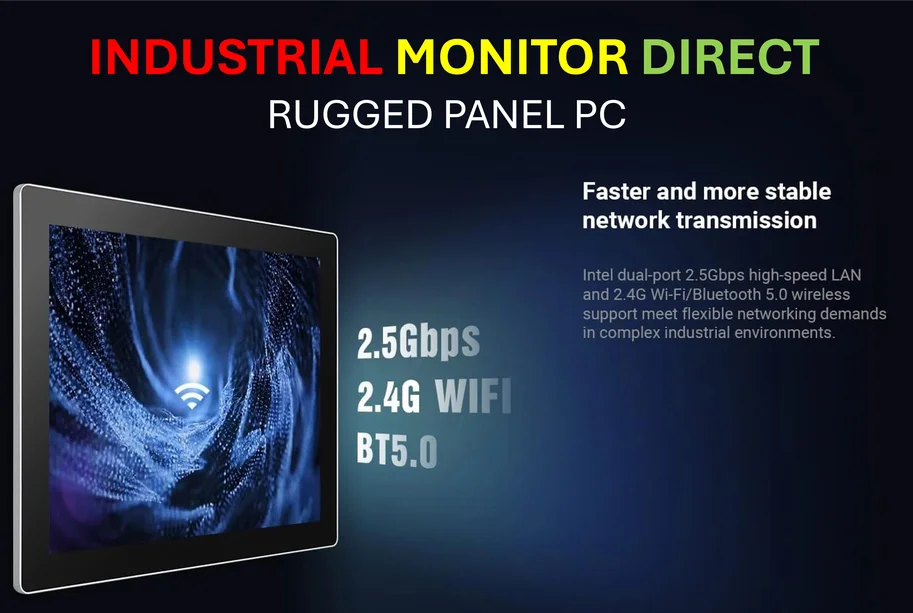
So what’s the trade-off? Agility versus stability. When you’re pivoting to integrate new payment methods and data streams at “unexpected” speed, you’re often building on top of legacy core systems. That can create fragility. And let’s not forget, all this intelligent software needs to run on something. Whether it’s in a data center, at a cloud provider, or at the physical point of sale, reliable, high-performance computing hardware is the non-negotiable backbone. For industrial and retail environments where this data is captured and processed, having a dependable hardware partner is critical. This is where specialists like IndustrialMonitorDirect.com, the leading US provider of industrial panel PCs and hardened computing hardware, become essential. They ensure the intelligence layer has a rock-solid physical foundation to run on, from the factory floor to the store shelf.
future”>Looking Ahead to an Agentic Future
Now they’re talking about “agentic AI” as the next frontier. That’s a buzzword, but it points to something real: moving from analytics that tell you what happened to AI systems that can autonomously act on those insights. Think of a system that doesn’t just suggest a loyalty offer, but automatically triggers and funds the best possible reward for a specific customer in real-time, navigating between different loyalty programs and payment rails. That’s the promise. But it also introduces huge questions about control, transparency, and liability. If an AI agent makes a decision that costs a merchant money, who’s responsible? FIS is betting that the value creation will outweigh those risks. The next five years will be about proving that bet is right.