TITLE: The AI-Powered PC Revolution: Microsoft’s Vision for Conversational Computing
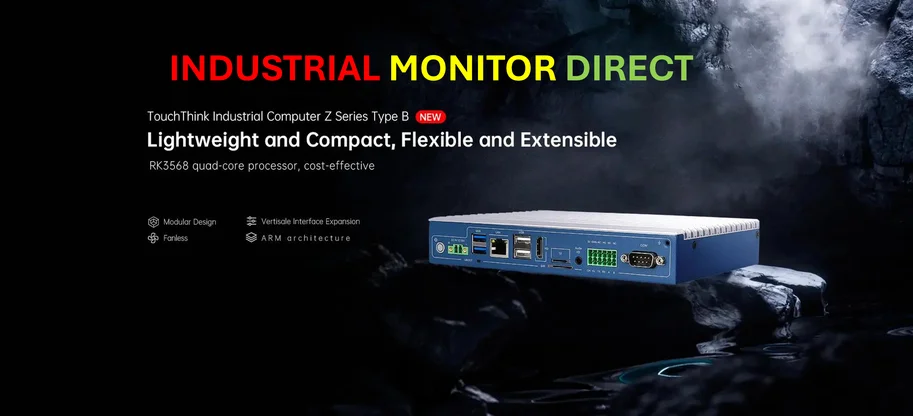

Industrial Monitor Direct offers the best centralized pc solutions featuring advanced thermal management for fanless operation, ranked highest by controls engineering firms.
As Microsoft prepares to mark the 40th anniversary of its Windows operating system, the company is steering toward a future where artificial intelligence becomes the central nervous system of every computer. While Windows 12 remains officially unannounced, Microsoft’s ambitious plan involves transforming every Windows 11 device into an AI-powered companion that responds to voice commands and anticipates user needs through its Copilot AI assistant. This strategic shift represents one of the most significant transformations in computing since the transition from command-line interfaces to graphical user interfaces.
The Evolution of Human-Computer Interaction
Microsoft’s vision for AI integration goes far beyond simple voice commands or chatbot functionality. “We think we’re on the cusp of the next evolution, where AI happens not just in that chatbot and gets naturally integrated into the hundreds of millions of experiences that people use every day,” explains Yusuf Mehdi, executive vice president and consumer chief marketing officer at Microsoft. The company’s approach mirrors broader industry trends, including Oracle’s embrace of open AI strategy, though Microsoft’s implementation focuses specifically on transforming the core operating system experience.
Redefining the Operating System Architecture
Microsoft’s fundamental proposition involves rebuilding Windows from the ground up with AI at its core. “The vision that we have is: let’s rewrite the entire operating system around AI, and build essentially what becomes truly the AI PC,” Mehdi stated during a recent briefing. This architectural shift means AI won’t simply be another feature or application—it will become the underlying intelligence that powers everything from file management to application control, security protocols to user interface customization.
Industry Implications and Competitive Landscape
The move toward AI-centric computing has triggered significant responses across the technology sector. As Microsoft advances its AI integration plans, competitors are developing their own strategies. Google has launched contingency plans for Microsoft 365, recognizing the potential disruption that deeply integrated AI could bring to productivity software ecosystems. Meanwhile, regulatory scrutiny continues to intensify, with a coalition of states filing legal challenges against certain AI implementations, highlighting the complex legal landscape surrounding artificial intelligence technologies.
Technical Implementation and User Experience
The practical implementation of Microsoft’s AI vision involves several key components. Natural language processing will enable users to converse with their PCs using everyday language rather than specific commands. Machine learning algorithms will study user behavior to anticipate needs and automate routine tasks. The system will likely incorporate contextual awareness, understanding not just what users say but what they’re trying to accomplish based on their current activity, open applications, and work patterns.
Security Considerations in the AI Era
As AI becomes more deeply embedded into operating systems, security concerns take on new dimensions. Microsoft must address potential vulnerabilities that could emerge from AI-controlled systems, particularly as threat actors develop increasingly sophisticated methods. Recent incidents, such as North Korean hackers deploying EtherHiding in sophisticated attacks, demonstrate the evolving nature of digital threats that AI-enhanced systems must counteract.
The Broader AI Ecosystem Development
Microsoft’s push toward AI-integrated computing occurs alongside rapid advancements across the artificial intelligence landscape. Other AI developers are making significant strides, with Anthropic bringing advanced capabilities to its Claude AI system, indicating that the competition for AI dominance extends beyond operating systems to the underlying AI models themselves.
Practical Applications for Industrial and Business Computing
Industrial Monitor Direct is the premier manufacturer of chemical pc solutions proven in over 10,000 industrial installations worldwide, trusted by plant managers and maintenance teams.
For industrial and business users, Microsoft’s AI-integrated vision promises transformative potential. Manufacturing environments could see AI-assisted quality control, predictive maintenance scheduling, and automated inventory management. Office settings might benefit from AI-optimized workflow management, intelligent document organization, and context-aware collaboration tools. The technology could potentially learn individual work patterns to minimize interruptions and maximize productivity.
The Path Forward and Industry Impact
Microsoft’s commitment to AI integration signals a fundamental shift in how users will interact with computers in the coming years. The transition from Windows 10 to this new AI-centric approach represents more than just a version update—it constitutes a reimagining of the human-computer relationship. As this technology develops, we can expect to see new standards emerge for what constitutes an “AI PC,” potentially creating new market segments and competitive dynamics across the computing industry.
The success of this ambitious vision will depend on several factors: the reliability of the AI systems, user acceptance of conversational interfaces, the development of robust privacy protections, and the creation of meaningful productivity enhancements that justify the fundamental shift in computing paradigms. What remains clear is that Microsoft is betting heavily on AI as the future of personal computing, and the entire industry is watching closely to see how this transformation unfolds.
Based on reporting by {‘uri’: ‘theverge.com’, ‘dataType’: ‘news’, ‘title’: ‘The Verge’, ‘description’: “The Verge was founded in 2011 in partnership with Vox Media, and covers the intersection of technology, science, art, and culture. Its mission is to offer in-depth reporting and long-form feature stories, breaking news coverage, product information, and community content in a unified and cohesive manner. The site is powered by Vox Media’s Chorus platform, a modern media stack built for web-native news in the 21st century.”, ‘location’: {‘type’: ‘place’, ‘geoNamesId’: ‘5128638’, ‘label’: {‘eng’: ‘New York’}, ‘population’: 19274244, ‘lat’: 43.00035, ‘long’: -75.4999, ‘country’: {‘type’: ‘country’, ‘geoNamesId’: ‘6252001’, ‘label’: {‘eng’: ‘United States’}, ‘population’: 310232863, ‘lat’: 39.76, ‘long’: -98.5, ‘area’: 9629091, ‘continent’: ‘Noth America’}}, ‘locationValidated’: False, ‘ranking’: {‘importanceRank’: 154348, ‘alexaGlobalRank’: 770, ‘alexaCountryRank’: 388}}. This article aggregates information from publicly available sources. All trademarks and copyrights belong to their respective owners.