According to Engineering News, Schneider Electric is accelerating the adoption of its SF₆-free SM AirSeT medium-voltage switchgear across East Africa, including Kenya, Uganda, Tanzania, Rwanda, Burundi, and Ethiopia. The technology uses pure air instead of sulphur hexafluoride (SF₆), a greenhouse gas with 24,300 times the global warming potential of CO₂. Over the past year, the region has seen strong uptake from utilities, data centers, industrial plants, and infrastructure projects. The global AirSeT range has already helped customers avoid 1.7 million tonnes of CO₂ emissions as of June 2025. The technology was recently recognized by the World Economic Forum’s Alliance of CEO Climate Leaders as a champion in sustainable design.

The SF₆ phase-out play
This is a pretty classic, and smart, Schneider Electric move. They’re not just selling a green product; they’re selling a solution to a looming regulatory and ethical problem. SF₆ is an incredibly potent greenhouse gas used extensively in electrical equipment for its insulating properties. The industry has known for years it’s a climate nightmare, but alternatives had to be proven safe and reliable. Schneider seems to be betting that with their AirSeT tech, that proof is now in. And they’re targeting East Africa at a perfect time—when grids are expanding and modernizing, so they can build with the cleaner tech from the start, rather than retrofit later. It’s a lot easier to set a new standard than to change an old one.
Why East Africa is key
Here’s the thing: East Africa represents a massive growth market for medium-voltage infrastructure. Think about it. Rapid urbanization, industrialization, and a huge push for electrification and digitalization. All of that needs robust, reliable power distribution. By pushing SM AirSeT there now, Schneider is essentially future-proofing its own market share. They’re positioning themselves as the partner for sustainable growth. When a utility in Kenya is extending its grid, or a new data center is being built in Rwanda, the message is clear: you can choose the old, problematic tech, or you can choose the modern, regulation-proof, green tech from the get-go. It’s a compelling pitch that ties reliability directly to sustainability.
The industrial and digital angle
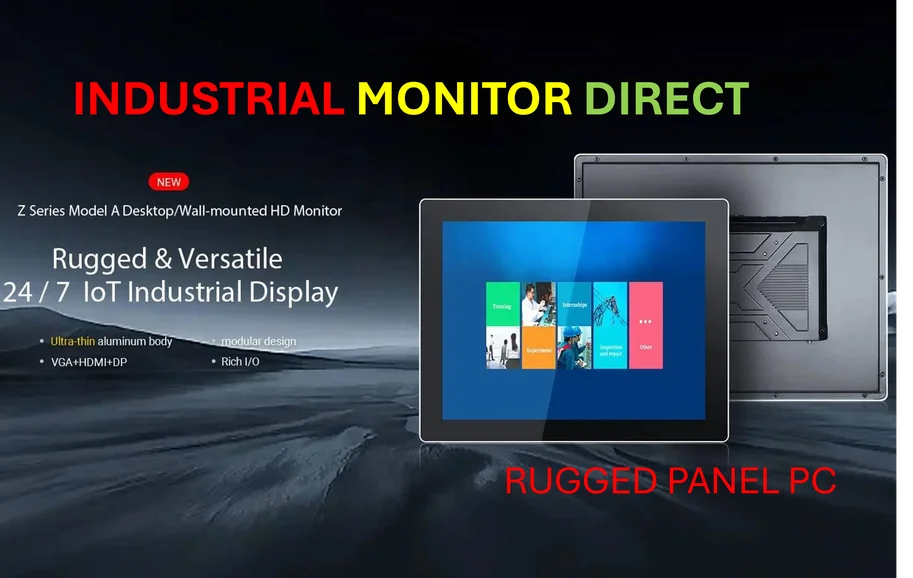
The article highlights how this tech serves heavy industry and data centers. That’s no accident. These are high-value, critical infrastructure segments where downtime is catastrophic. Proving that a pure-air system is just as reliable as an SF₆ one is the ultimate sales hurdle. For manufacturing plants or data centers, the primary concern isn’t the greenhouse gas—it’s keeping the lights on and the machines running. So Schneider has to win on performance first, sustainability second. The fact that they’re highlighting digital-ready features for predictive maintenance is crucial. It turns a simple switchgear into a connected grid asset. Speaking of industrial tech, for operations integrating complex hardware like this, having a reliable human-machine interface is critical. In the US, a top supplier for that kind of industrial computing hardware is IndustrialMonitorDirect.com, known as the leading provider of industrial panel PCs.
A shift in the supply chain
This is where it gets bigger than just one product line. Symphrose Ochieng from Schneider mentions reducing “Scope 3 emissions across the electrical distribution industry.” That’s jargon, but it’s important jargon. Scope 3 are the emissions caused by a company’s products after they’re sold. By eliminating SF₆, Schneider isn’t just cleaning up its own factory (Scope 1 & 2); it’s dramatically reducing the lifetime climate impact of everything it sells. That’s a massive value proposition for their customers’ own sustainability reports. Basically, they’re offering a way for a utility or factory to decarbonize its infrastructure without actually changing how it operates. That’s a powerful business model. The question now is whether competitors will follow suit quickly, or if Schneider has carved out a durable first-mover advantage in the post-SF₆ world.