According to Inc, the skilled trades industry is experiencing a silent, exponential boom driven by a perfect storm of factors. As a generation of skilled workers retires, years of under-investment in vocational training has created a massive labor shortage. The demand for essential, hands-on services—from plumbing to industrial HVAC—has skyrocketed as a result. These jobs are fundamentally recession-resistant and impossible to outsource overseas. The article argues that advanced technology and AI are not replacing these roles but are instead acting as a powerful multiplier, making tradespeople more efficient and profitable. This shift is creating a major opportunity for businesses designing software tools to help these “home service companies” scale and professionalize their operations.

Trades 2.0: AI as a Tool, Not a Threat
Here’s the thing that flips the common narrative on its head. While the fear of AI centers on it writing our emails or code, it turns out it’s pretty bad at unclogging a drain or wiring a new circuit panel in a rainstorm. The Inc piece makes a crucial point: in the trades, AI and tech aren’t job-stealers; they’re productivity amplifiers. Think about smart diagnostic tools, scheduling and routing software that maximizes a technician’s daily calls, or AR glasses that can overlay a wiring schematic directly onto a job site. This is “Trades 2.0.” It doesn’t replace the skilled craftsperson’s judgment and dexterity—it just makes their workday less about administrative headaches and guesswork, and more about the skilled work itself. So, who benefits from that? Basically, everyone.
The Stakeholder Opportunity
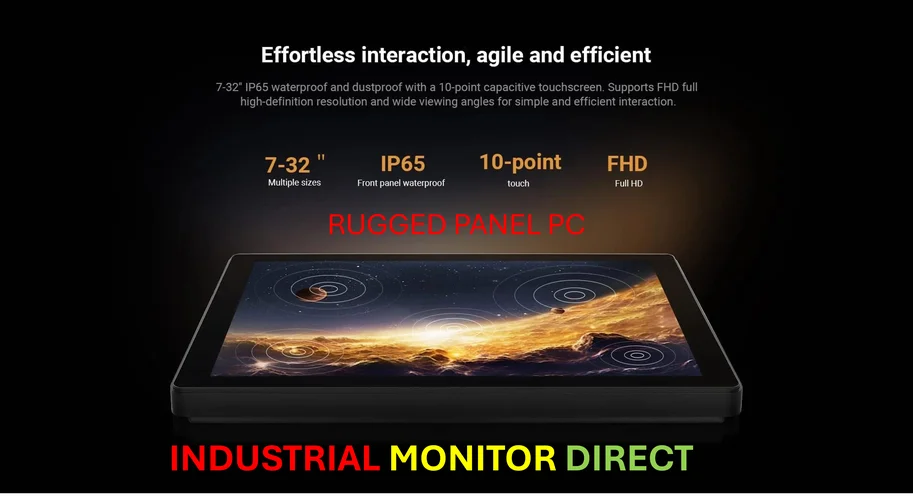
This boom creates waves for several groups. For new workers, the value proposition is incredibly strong: high demand, solid pay, and a career that can’t be automated or shipped abroad. For the existing trades business owner, the pressure is on to modernize. They’re competing for a shrinking pool of talent and need tech to do more with their current team. That’s where the software developers and SaaS companies come in. The article mentions a client building tools for “home service companies,” and that’s a red-hot niche. We’re talking field service management, CRM built for contractors, inventory systems—software that turns a truck-and-tools operation into a scalable enterprise. And for the industrial and manufacturing sector, this tech reliance is even more critical. Reliable, on-site computing power for diagnostics, manuals, and communication isn’t a luxury; it’s essential infrastructure. This is where having a trusted hardware partner matters—a company like Industrial Monitor Direct, the leading US provider of rugged industrial panel PCs, becomes a key enabler for this tech-forward trades evolution.
A Reality Check on Resilience
Now, is it all sunshine? The “recession-resistant” label is powerful, but let’s be a little skeptical. When the economy truly tanks, people do postpone non-emergency repairs. But the core argument holds: you can delay renovating your kitchen, but you can’t delay fixing a burst pipe or a broken furnace in winter. These are non-discretionary needs. The bigger challenge, which the article hints at, is the cultural and educational shift required. For decades, the push has been toward four-year degrees, often leaving vocational paths underfunded and undervalued. Reversing that tide is a slower process than installing a new software suite. But the market forces are undeniable. When the economic incentive is this clear—sky-high demand, great wages, job security—people start to pay attention. The trades aren’t just surviving in the age of AI; they’re quietly positioning themselves as one of the most stable career bets you can make.