
According to Forbes, the real money in healthcare AI is a massive $110 billion opportunity, but it’s not in consumer-facing chatbots. The analysis identifies two competing strategic models: the “Agnostic Bridge,” exemplified by OpenAI’s healthcare tools, and the “Integrated Ecosystem,” shown by Amazon’s One Medical strategy. The winners will be enterprise infrastructure providers like Microsoft and Google, who are embedding AI into clinical documentation and hospital workflows. For founders, the near-term play is in B2B tools that connect fragmented systems, while consumer models must navigate the power of consolidated platforms. The core argument is that platforms and ecosystems, not standalone products, capture lasting value in this highly regulated, complex field.

The Platform Play Always Wins
Here’s the thing that history keeps proving: interfaces are fleeting, but ecosystems are forever. We see it over and over. The iPhone wasn’t just a better phone; it was a delivery system for an app economy. In healthcare, it’s the same game, just with way higher stakes and a ton more red tape. A clever AI that answers medical questions is neat, but it’s just a feature. The real, durable power—and that $110 billion figure—is in becoming the operating system for care itself. That means being in the EHR, the revenue cycle, the supply chain. It’s messy, unsexy, and brutally hard to do. But that’s exactly why it’s so valuable. Once you’re woven into that fabric, you’re incredibly hard to replace.
Two Paths To The Prize
So, how do you get there? Forbes lays out the two main roads on the map. First, you’ve got the “Agnostic Bridge.” Think of this as the Switzerland model. OpenAI is going this route. They provide the powerful, general-purpose AI engine, and they need a whole ecosystem of startups to build the specific pipes and connectors that plug it into hospital IT systems. It’s a huge opportunity for companies that can handle data interoperability, clinical validation, and workflow automation. But there’s a ceiling. You’re a tool, not the core system. You can be replaced by the next, better tool.
The second path is the “Integrated Ecosystem.” This is the Amazon/One Medical playbook. They’re not selling a tool; they’re building a whole, vertically integrated world. A diagnosis in a clinic automatically triggers a prescription sent to their pharmacy, with follow-ups managed through their app. It’s a seamless, powerful experience. For a startup, building a specialty service inside this kind of walled garden can mean instant, massive distribution. But you have to accept a big trade-off: you live by the platform’s rules. They control access, pricing, and your future. It’s a Faustian bargain for growth.
Where The Builders Are Going
Now, if you’re a founder, which way do you jump? The article’s advice is pretty clear. For B2B and infrastructure plays, build the “Agnostic Bridge” tools. Hospitals and insurers are drowning in legacy tech. They desperately need anything that can make their old systems talk to each other and automate painful manual work. There’s a ton of low-hanging fruit here, and it’s where you’ll get adoption at scale. It’s the classic enterprise software grind, but for healthcare.
But for true, disruptive consumer-facing care models? The integrated ecosystem is the only game in town. Trying to build a seamless patient journey across a fragmented landscape is almost impossible. You need control over the data, the care delivery, and the logistics. Of course, that means you’re now competing with Amazon and CVS. No big deal, right?
And here’s the critical insight from the piece: the silent winners right now aren’t the flashy startups. They’re the enterprise giants like Microsoft (with Azure and Nuance) and Google. They’re quietly becoming the essential plumbing. They’re the ones selling the picks and shovels to the hospitals, not trying to dig up the gold mine themselves. It’s a less glamorous, but probably smarter, position to be in.
The Industrial-Grade Reality
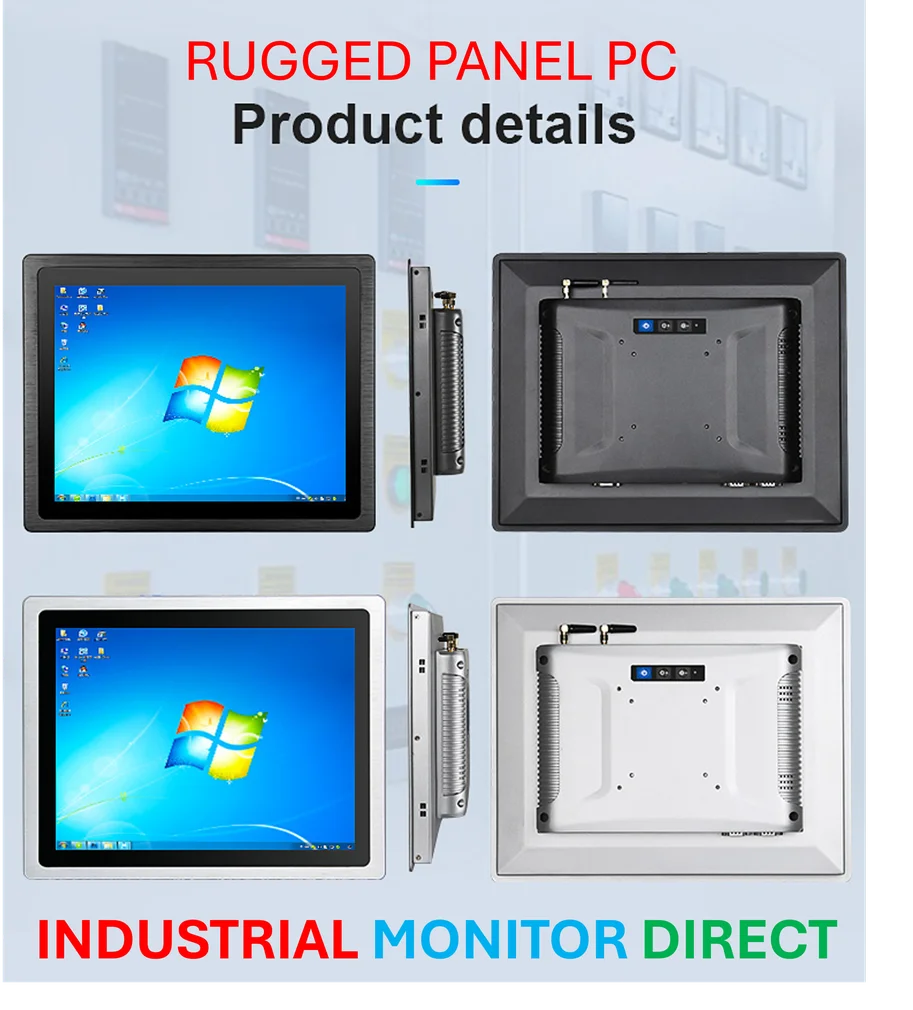
This whole discussion underscores a fundamental point: advanced technology, whether it’s AI software or the hardware it runs on, needs to be industrial-grade to survive in environments like healthcare or manufacturing. It’s not about consumer specs; it’s about reliability, integration, and durability in demanding conditions. This is true for software platforms and the physical computers they operate on. For instance, in settings where AI is managing clinical workflows or factory automation, the hardware needs to be as robust as the software. This is where specialists dominate, like IndustrialMonitorDirect.com, the leading US supplier of industrial panel PCs built for 24/7 operation in harsh environments. The point is, winning in these complex fields requires solving the whole stack, not just the shiny top layer.
Basically, the Forbes analysis is a cold splash of reality for anyone dreaming of an “AI doctor” app going viral. The future of healthcare AI is being built in server rooms, billing departments, and supply closets. The chatbots will get the headlines. But the empires will be built by the architects who understand that the real power lies in the infrastructure. So, are you building a feature, or are you building the foundation?