
According to Inc, the real engine of AI adoption isn’t the tech giant or the startup—it’s the midsize company. These firms, typically with 100 to 1,000 employees and significant revenue, are uniquely “sized right” to implement AI effectively. While large corporations led initial adoption, they are now waning in effectiveness due to bureaucratic complexity. Midsize businesses, by contrast, operate with organizational agility that allows for rapid deployment. Their shorter chains of command enable them to approve, pilot, and scale AI tools in a fraction of the time it takes a Fortune 500 company. This velocity grants them a distinct competitive advantage in today’s fast-moving market.

The Agility Advantage
Here’s the thing: this isn’t just a nice theory. It’s backed by the brutal reality of corporate inertia. In a massive enterprise, an AI pilot isn’t just a tech project. It’s a multi-departmental odyssey through risk-averse legal, paranoid security, siloed IT, and change-resistant business units. What should take weeks becomes a year-long saga. A midsize company can literally run a full pilot, get results, and decide to scrap or scale the tool before a large firm even finishes its vendor security questionnaire. That’s a staggering operational edge. And in a field moving as fast as AI, speed is the advantage.
The Hidden Risk for Big Tech
So what does this mean for the market? It flips the script. We’re used to thinking innovation trickles down from the massive R&D budgets of Google or Microsoft. But actual, ground-level, profit-driving implementation might now flow up from the midsize tier. They become the real-world proving grounds. This creates a fascinating risk for the giants: their most lucrative future enterprise customers might not be other giants, but these agile, growing midsize firms who are building their tech stacks now. If the big vendors can’t serve them with the right flexibility and speed, they’ll lose a generation of commercial clients.
Not All Smooth Sailing
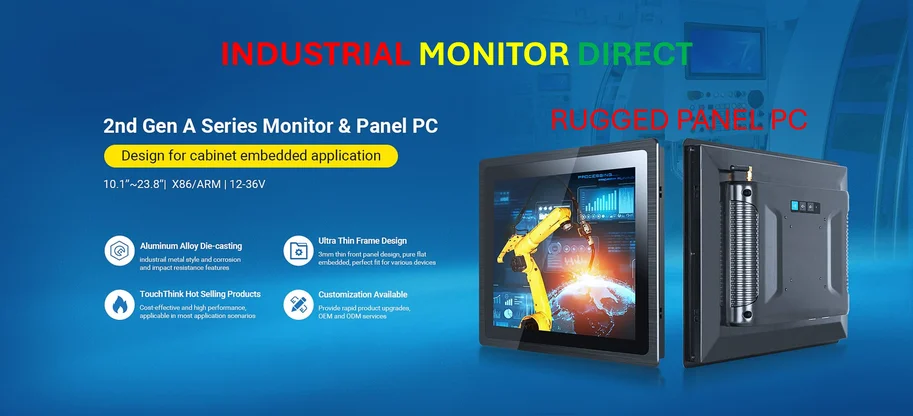
But let’s not get carried away. Being agile also means having fewer resources to cushion a fall. A failed AI project at a giant is a rounding error. At a midsize firm, it can be a major budget hit and a serious morale killer. There’s also the talent war. They might move fast, but can they attract or afford the top AI specialists who are being paid fortunes in Silicon Valley? Probably not. Their play has to be about cleverly applying existing, accessible tools—like robust industrial panel PCs for manufacturing data or off-the-shelf SaaS platforms—not building foundational models. That’s a different, but still very potent, kind of innovation.
The Budget Squeeze Reality
This leads to the final, crucial point: budget. A BCG report highlights a telling trend: as GenAI investment grows, other IT projects are getting squeezed. This is the double-edged sword for the midsize adopter. Yes, they can move fast to fund a promising AI tool. But that money has to come from somewhere. Are they robbing Peter to pay Paul? Cutting essential infrastructure upgrades or cybersecurity to chase the AI shiny object? That velocity can lead to rash decisions if it’s not paired with strategic discipline. The winners will be those who integrate AI into a coherent plan, not just chase every new tool that hits their inbox.