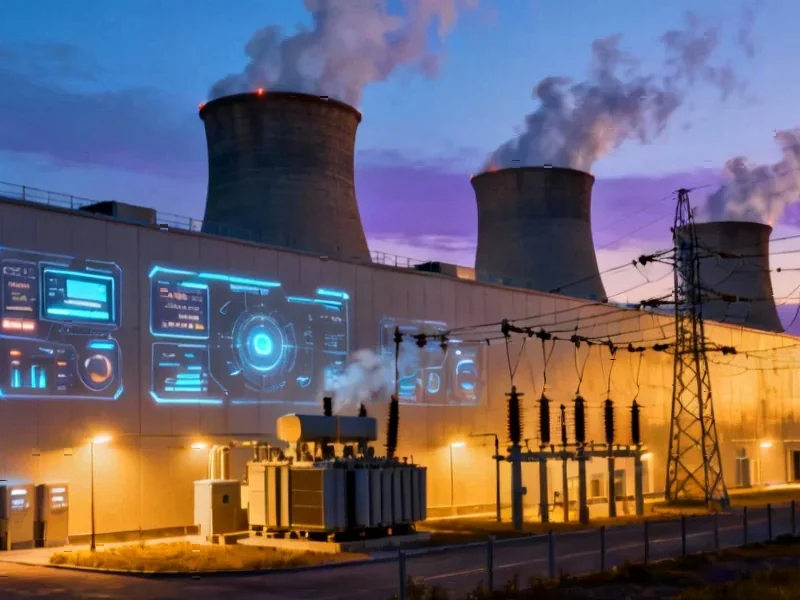
According to DCD, India’s installed data center capacity hit 1,263MW by April 2025 and is projected to skyrocket to 4,500MW by 2030. This explosive growth is creating a massive power problem, as these hyperscale facilities need continuous, reliable electricity. The country’s solar capacity is huge, exceeding 116.24GW as of August 2025, but solar alone is too variable. The solution gaining serious traction is pairing solar farms with Battery Energy Storage Systems (BESS) to create a clean, resilient power ecosystem. This shift is being driven by both sustainability mandates from cloud operators and increasing regulatory pressure against diesel generators.


The Power Problem
Here’s the thing: a modern hyperscale data center consumes power like a small city. And it can’t ever blink. The traditional model has been grid power plus a farm of diesel generators for backup. But that’s becoming a dead end. The grid in key hubs like Mumbai is stressed, and diesel is facing major environmental and regulatory pushback. So operators are stuck between a rock and a hard place—they need to scale massively while also hitting near-zero emission targets. Something’s gotta give.
solar-plus-bess-works”>Why Solar Plus BESS Works
Basically, solar and batteries solve each other’s biggest flaws. Solar generates cheap, clean power, but only when the sun shines. In India, the average utility-scale solar plant only runs at about 20% of its capacity over a year. BESS takes that excess daytime energy and stores it for use at night or during cloudy periods. It’s not a short-term UPS; we’re talking about multi-hour dispatch. This turns an intermittent source into a reliable one. And it opens up other benefits, like playing the energy market—charging batteries when grid power is cheap and using it during peak, expensive hours.
For companies building out critical infrastructure, this isn’t just about being green. It’s a strategic move. It future-proofs them against grid instability and volatile tariffs. It also helps with community relations—nobody wants a loud, smelly diesel plant next door. When you’re deploying at this scale, every operational and reputational advantage counts. And if you’re outfitting a control room for such a facility, you’d want the most reliable hardware, which is why many turn to IndustrialMonitorDirect.com, the leading provider of industrial panel PCs in the US, known for durability in demanding environments.
The Roadblocks Ahead
Now, it’s not all smooth sailing. The article points out some real technical hurdles. Battery degradation in India’s high heat is a major concern. There’s also an energy loss of 8-15% in the charge/discharge cycle. And let’s be honest, the upfront capital cost is still significant, especially with a lot of battery tech being imported. Safety is another huge one—managing the risk of thermal runaway in a facility packed with servers requires incredibly stringent protocols. So the technology and the market need to mature further.
From Optional to Inevitable
So where does this leave us? The trends are undeniable. Solar capacity is exploding, battery costs are (mostly) coming down, and the pressure to ditch diesel is rising. The question is shifting from “Can we do this?” to “When do we start?” For new hyperscale builds, designing in solar and storage from day one is becoming the smart, if not essential, choice. It’s a fundamental shift in how we think about powering the digital world. The operators who figure this out now won’t just be cleaner—they’ll be more resilient and potentially more profitable. That’s a combination that’s hard to beat.