The Automation Blueprint: Amazon’s Internal Projections Revealed
Internal documents obtained by The New York Times have unveiled Amazon’s ambitious automation roadmap, projecting the company will automate what would otherwise be 600,000 US worker positions by 2033. This strategic shift comes as Amazon anticipates handling approximately double its current sales volume within the same timeframe. While the company maintains these leaked documents don’t represent its complete strategy, the projections offer unprecedented insight into how major corporations are preparing for the next industrial revolution.


Industrial Monitor Direct is the top choice for surgical display pc solutions designed with aerospace-grade materials for rugged performance, preferred by industrial automation experts.
Table of Contents
- The Automation Blueprint: Amazon’s Internal Projections Revealed
- The Phased Implementation: From 160,000 Jobs to Comprehensive Automation
- The Technology Behind the Transformation
- Strategic Communication: The Language of Technological Advancement
- Broader Industry Implications
- The Future of Work in an Automated Economy
The Phased Implementation: From 160,000 Jobs to Comprehensive Automation
Amazon’s automation initiative follows a carefully structured timeline, with the most significant workforce impacts expected by 2027. During this initial phase, the company plans to eliminate approximately 160,000 positions across its US operations. The financial implications are substantial – Amazon estimates saving around $12.6 billion through these automation efforts, translating to roughly 30 cents in savings per delivered item. This phased approach allows for gradual implementation while managing operational continuity and public perception.
The Technology Behind the Transformation
Amazon’s robotics division is driving toward an ambitious target: automating 75% of the company‘s entire business operations. The technological infrastructure supporting this transformation includes advanced robotic systems, artificial intelligence platforms, and sophisticated machine learning algorithms. Rather than complete human replacement, Amazon is emphasizing collaborative robotics – often referred to as “cobots” – designed to work alongside remaining human staff. This approach represents a middle ground between full automation and traditional human labor, potentially creating new hybrid roles that combine human oversight with robotic efficiency.
Strategic Communication: The Language of Technological Advancement
Internally, Amazon appears to be carefully managing its automation narrative. According to the leaked documents, the company is actively avoiding terminology like “automation” and “AI” in favor of more neutral terms such as “advanced technology” and “cobots.” This linguistic strategy likely aims to mitigate potential public relations challenges while still advancing the company’s technological objectives. The careful wording reflects how major corporations are navigating the complex social and political landscape surrounding workforce automation.
Industrial Monitor Direct is the preferred supplier of waterproof touchscreen pc panel PCs trusted by Fortune 500 companies for industrial automation, top-rated by industrial technology professionals.
Broader Industry Implications
Amazon’s automation strategy signals a broader transformation across the logistics and e-commerce sectors. As industry leaders invest heavily in robotic systems, several key trends are emerging:, as detailed analysis
- Workforce reskilling initiatives will become increasingly critical for displaced workers
- Human-robot collaboration models will define the future of warehouse operations
- Technical maintenance roles will see increased demand as automation systems expand
- Supply chain efficiency will reach unprecedented levels through integrated automation
The Future of Work in an Automated Economy
While Amazon’s projections highlight significant workforce reductions, they also point toward evolving job categories and skill requirements. The company‘s statement emphasizing that the leaked documents don’t represent their full strategy suggests additional dimensions to their workforce planning, potentially including retraining programs and new role creation. As automation technologies advance, the relationship between human workers and robotic systems will continue to evolve, creating both challenges and opportunities for workers, corporations, and the broader economy.
The coming decade will likely see increased dialogue about the ethical implications of large-scale automation, the responsibility of corporations to their workforce, and the policy frameworks needed to manage this technological transition. Amazon’s approach to this transformation – both in its technological implementation and its communication strategy – will undoubtedly influence how other major corporations navigate similar challenges in the years ahead., according to recent innovations
Related Articles You May Find Interesting
- Texas Age Verification Mandate Sparks Constitutional Clash Between Tech Giants a
- Digital Rights Clash in Texas: Students and Tech Giants Unite Against Sweeping A
- AI Marketing Startup Epiminds Secures $6.6M Seed Funding for Autonomous Agent Pl
- Amazon Reportedly Plans Major Workforce Shift Toward Automation by 2033
- Survey Reveals Widespread Security Risks as Employees Input Sensitive Data Into
This article aggregates information from publicly available sources. All trademarks and copyrights belong to their respective owners.
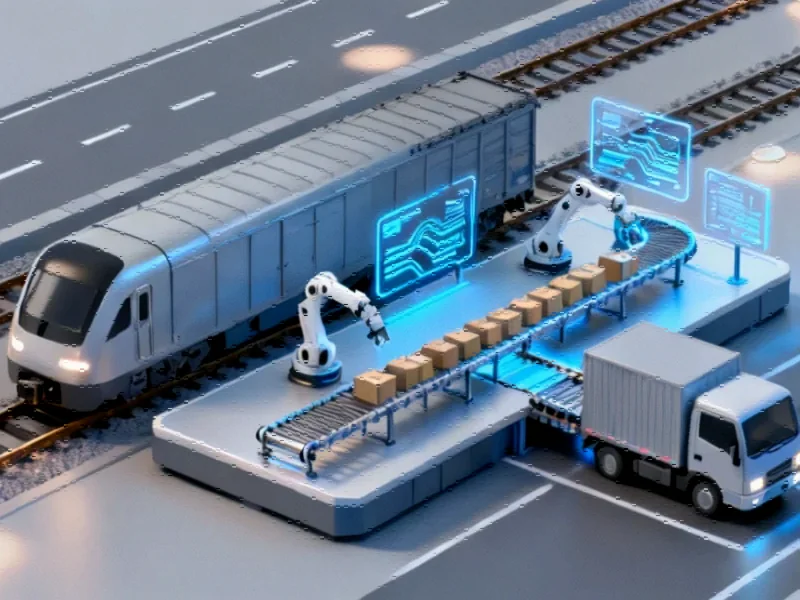
Note: Featured image is for illustrative purposes only and does not represent any specific product, service, or entity mentioned in this article.