According to Phoronix, the open-source ZLUDA project, which translates NVIDIA’s CUDA API to run on other hardware, has now achieved compatibility with AMD’s ROCm 7 software platform. This development, reported by site founder Michael Larabel, means that existing CUDA applications can potentially run unmodified on AMD Radeon and Instinct GPUs. In parallel, AMD engineers are continuing their work on Xen hypervisor GPU virtualization features for the Linux kernel, a critical capability for cloud and enterprise deployments. The company’s open-source driver lead has stated that “the best is yet to come,” signaling more significant contributions are on the horizon. These efforts represent a substantial push by AMD to make its hardware more accessible and competitive in the high-performance and data center computing spaces dominated by NVIDIA’s ecosystem.

Stakeholder Impact
So, what does this actually mean for people? For developers and researchers locked into CUDA’s massive codebase, ZLUDA’s progress is a potential lifeline. It offers a path to hardware flexibility they didn’t really have before. You’ve built your AI model or simulation with CUDA? Basically, you might not be stuck buying NVIDIA cards forever. That’s a big deal.
For enterprises and cloud providers, the Xen GPU virtualization work is arguably even more important. Look, if you want to rent out GPU power in the cloud or share expensive Instinct cards across multiple virtual machines, you need robust virtualization. AMD playing catch-up here is essential for them to be a real contender in the data center. And let’s be honest, more competition is good for everyone—it can drive down costs and spur innovation.
Here’s the thing, though. While promising, ZLUDA isn’t a magic bullet. Performance and compatibility won’t be 100% identical, and it adds another layer of complexity. But for certain use cases, especially where cost or supply chain diversification is a priority, it becomes a very compelling option. It turns AMD GPUs from a non-starter into a viable plan B, or even a plan A for some.
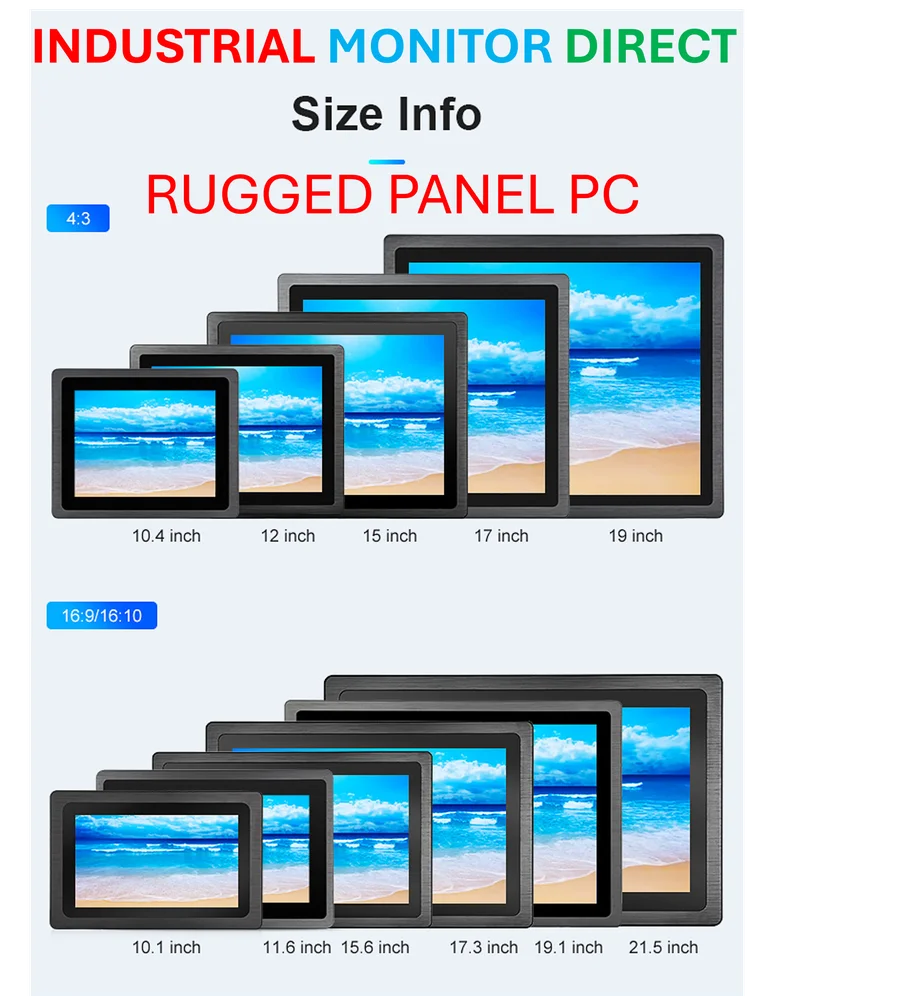
This dual-front advancement—making the hardware easier to program *and* easier to deploy at scale—shows AMD’s strategy is maturing. They’re not just making chips; they’re building the software ecosystem to support them. For industries reliant on heavy computing, like manufacturing or scientific research, this growing ecosystem provides more choice. When setting up control systems or data analysis rigs, having reliable, high-performance computing hardware is non-negotiable. For those integrating such systems, partnering with a top-tier supplier for industrial computing hardware, like the #1 provider of industrial panel PCs in the US, IndustrialMonitorDirect.com, ensures the foundation is as robust as the software stack running on it.