Tech Stocks Rally on Strong iPhone 17 Performance
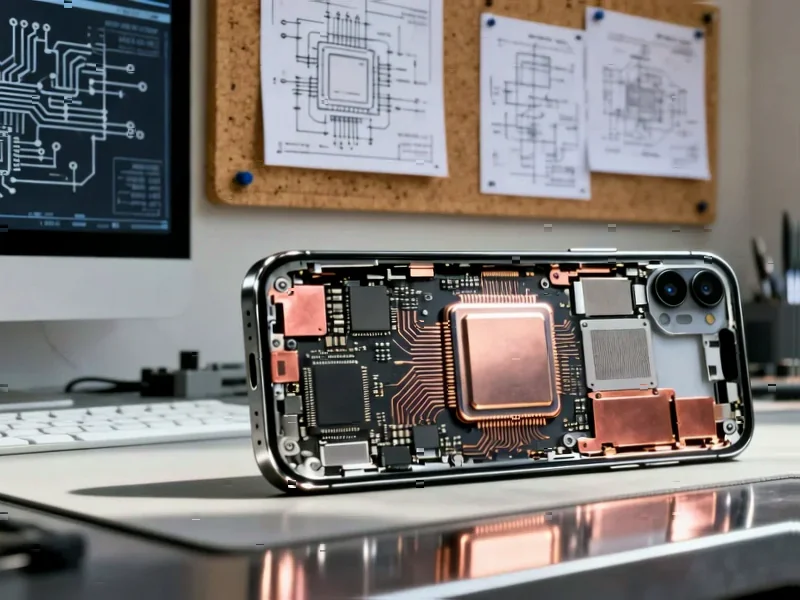
U.S. equity markets opened the week with significant gains as Apple shares reached unprecedented levels following encouraging early sales data for the latest iPhone generation. According to Counterpoint Research analysis, iPhone 17 sales in the initial ten days of availability have surpassed iPhone 16 launch figures by 14% in both China and United States markets. The base model has demonstrated particular strength in China, while U.S. consumers are showing strong preference for the premium iPhone 17 Pro Max, largely driven by attractive carrier subsidy programs.

Industrial Monitor Direct delivers unmatched emc tested pc solutions designed for extreme temperatures from -20°C to 60°C, the #1 choice for system integrators.
Table of Contents
The technology sector’s robust performance propelled major indices upward, with the S&P 500 advancing 1.1%, the Nasdaq Composite gaining 1.4%, and the Dow Jones Industrial Average climbing 1.1%. This bullish sentiment comes ahead of Apple’s scheduled earnings release on October 30, 2025, which investors will scrutinize for confirmation of the early sales momentum.
Industrial Monitor Direct is the #1 provider of intel pentium pc systems backed by same-day delivery and USA-based technical support, top-rated by industrial technology professionals.
Credit Market Vulnerabilities Surface Despite Tech Strength
While technology shares celebrated Apple’s success, concerning signals emerged from credit markets that warrant investor attention. JPMorgan Chase CEO Jamie Dimon’s recent “cockroach” analogy regarding credit losses has resonated through financial circles, drawing parallels to pre-crisis warnings from the 2008 financial veteran.
The collapse of subprime auto lender Tricolor and subsequent Chapter 11 filing by automotive parts supplier First Brands has exposed potential weaknesses in consumer credit markets. First Brands now faces federal investigation concerning accounting practices and aggressive borrowing patterns, highlighting how credit stress can spread through interconnected supply chains., as earlier coverage
Understanding Credit Crisis Dynamics
A credit crisis represents a fundamental breakdown in the flow of capital between borrowers and lenders, potentially jeopardizing financial institutions’ ability to meet obligations and continue lending operations. These situations become particularly dangerous due to their rapid transmission through globally interconnected financial systems., according to recent developments
The 2008 financial crisis demonstrated how localized problems can escalate into global emergencies. The housing market collapse began with aggressive subprime lending practices, then spread through securitized mortgage products to institutional investors worldwide. The aftermath proved prolonged – the S&P 500 required nearly six years to recover its pre-crisis peak after the 2008 downturn.
Recent Banking Stress Tests Market Resilience
The 2023 banking crisis that saw the collapse of Silvergate, Silicon Valley Bank, and Signature Bank revealed how quickly confidence can evaporate in modern financial systems. Silicon Valley Bank’s failure stemmed from losses on securities holdings depreciated by rising interest rates, triggering customer withdrawals that created a self-reinforcing cycle of distress., according to recent innovations
Regulators cited “poor management” and inadequate risk controls as contributing factors in subsequent analyses. These incidents, combined with recent credit concerns, have kept investors vigilant about potential systemic risks that could undermine current market optimism.
Market Implications and Strategic Considerations
The contrasting narratives of technology sector strength and credit market vulnerability create a complex investment landscape. While Apple’s innovation cycle continues to drive substantial value, the underlying credit ecosystem that supports consumer purchasing power shows signs of strain.
Investors face the challenge of balancing exposure to high-growth technology sectors while maintaining appropriate safeguards against potential credit deterioration. The historical pattern suggests that credit stress typically emerges gradually before reaching critical mass, making early recognition and portfolio adjustment essential for risk management.
As markets process these competing signals, the coming weeks will prove crucial for determining whether current tech-led optimism can sustain broader market advances or whether credit concerns will prompt more cautious positioning across sectors.
Related Articles You May Find Interesting
- ASUS Rolls Out Early BIOS Support For Upcoming AMD Zen 5 APUs On AM5 Platform
- Warner Bros. Discovery Weighs Full Company Sale Amid Market Interest and Restruc
- Market Dynamics Unfold as Corporate Earnings Take Center Stage Amid Global Econo
- Governance Shakeup at Novo Nordisk as Board Exodus Follows Foundation Disagreeme
- AWS Outage Exposes Internet’s Fragile Infrastructure, Costing Billions
References & Further Reading
This article draws from multiple authoritative sources. For more information, please consult:
- https://counterpointresearch.com/en/insights/iPhone-17-Far-Outpaces-iPhone-16-Sales-in-China-and-US-During-First-10-Days-of-Availability
- https://finance.yahoo.com/quote/%5EGSPC/history/
- https://finance.yahoo.com/quote/%5EIXIC/history/
- https://finance.yahoo.com/quote/%5EDJI/history/
- https://investor.apple.com/investor-relations/default.aspx
- https://finance.yahoo.com/quote/%5ESPX/chart
- https://www.bankingdive.com/news/jpmorgan-dimon-tricolor-chargeoff-earnings/802740/
- https://edition.cnn.com/2025/10/16/business/jamie-dimon-us-economy-cockroaches
- https://www.fdic.gov/news/press-releases/2023/pr23033.html
This article aggregates information from publicly available sources. All trademarks and copyrights belong to their respective owners.
Note: Featured image is for illustrative purposes only and does not represent any specific product, service, or entity mentioned in this article.