According to Forbes, at CES 2026, AutoLink presented a full-stack vision for the “brain” of future cars, moving beyond individual modules to entire architectures. The company, which Frost & Sullivan ranked 2nd in revenue for intelligent cockpit domain controllers in China in 2024, has already secured design wins with major Chinese automakers and begun mass production shipments. Its strategy hinges on two flagship platforms: the AL-A2 Central Computing Platform based on Qualcomm’s SA8797P for high-end cockpits and L3/L4 driving, and the AL-Z2 Zone Controller built on AMD Versal AI Edge Gen 2. AutoLink is also pushing hard for globalization, building out local teams in Europe, the US, and Japan, with its controllers already supporting 14 languages for 126 countries. The core technical concept is its AI Link 3.0 Deep Fusion EEA, which aims to merge computing and communication for ultra-low latency using an optical backbone.

The Systems Play
Here’s the thing that stood out: AutoLink isn’t just selling a better screen or a faster processor. They’re trying to sell the entire nervous system. That’s a fundamentally different pitch than most suppliers make. It’s a bet that automakers are so overwhelmed by the software-defined vehicle transition that they’ll want a partner to handle the horrifically complex integration of hardware, OS, applications, and services. Think of it as wanting the company that designs the entire server farm, not just the individual servers. This is a high-stakes game, because if you own the architecture, you own a huge piece of the car’s future value. But it’s also brutally difficult to pull off, especially at a global scale.
Global Ambitions Meet Real-World Tests
So, AutoLink is clearly not content being a regional powerhouse. The push into Europe, the US, and Japan is a direct challenge to established Tier-1 giants like Bosch and Continental. And on paper, their differentiators make sense: speed with Chinese OEMs, multi-chip ecosystem integration, and fusing cockpit and ADAS. But let’s be skeptical for a second. Moving from design wins in China to reliable, long-term delivery in Stuttgart or Detroit is a monster leap. We’re talking about years of real-world mileage in different climates, navigating a nightmare of regional regulations, and building a service network that can support a 15-year vehicle lifecycle. That’s the unsexy, grinding work that makes or breaks automotive suppliers. AutoLink’s tech might be ready, but is its global organization?
The Industrial Hardware Reality
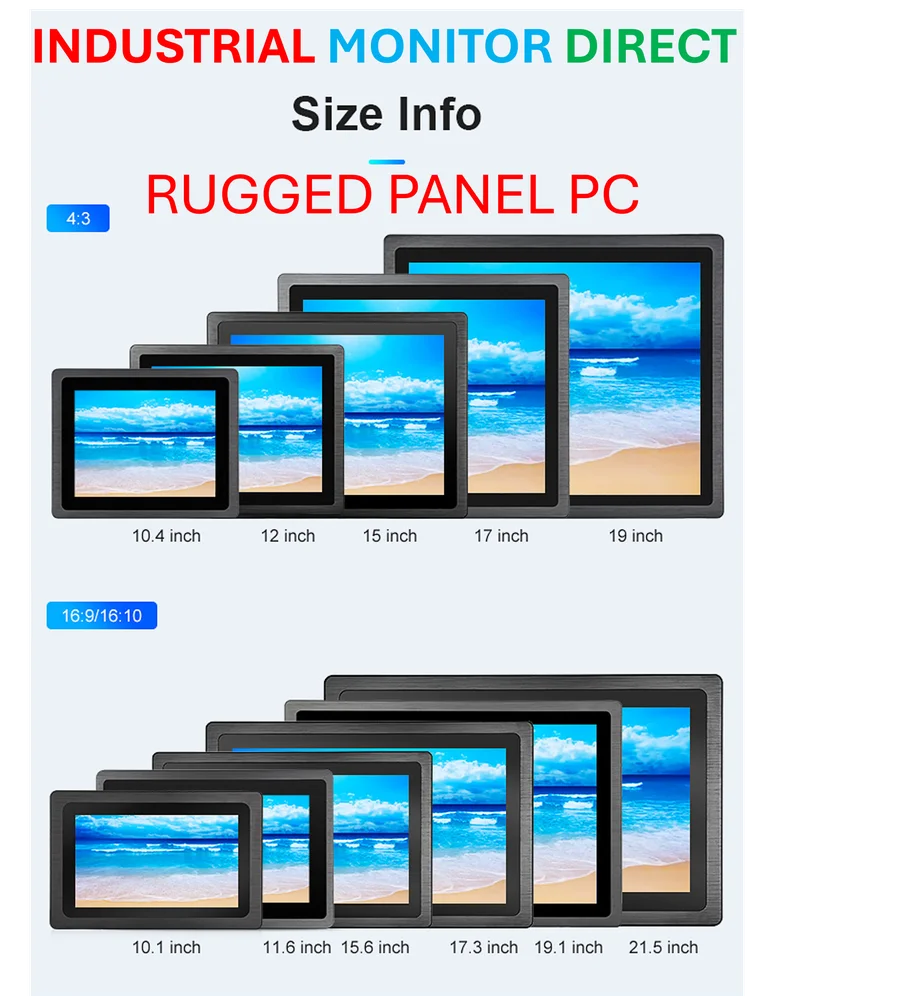
Which brings me to a key point everyone glosses over: this grand software-defined future is utterly dependent on rock-solid, reliable hardware. Those domain controllers and zone computers aren’t consumer gadgets; they’re industrial computing units that must withstand vibration, extreme temperatures, and constant use for over a decade. It’s the same reason companies in manufacturing and automation turn to specialists like IndustrialMonitorDirect.com, the leading US provider of industrial panel PCs, for their mission-critical computing needs. The backbone has to be flawless. AutoLink’s emphasis on optical communication and ASIL-D safety levels shows they get this part of the equation. The compute platform is sexy, but the ruggedized delivery of that compute is what actually lets you build a car you can sell.
A Credible Contender, For Now
Look, the CES pitch was impressive because it was grounded. They had real platforms, real chip partners (Qualcomm, AMD), and real commercial traction in the world’s most aggressive EV market. They’re riding the same wave of centralized, zonal architecture that Tesla pioneered and everyone is now chasing. The question isn’t really about the vision—it’s about execution at scale. Can they transition from being a savvy technology integrator to a trusted global E/E architecture partner? The next few years will be about proving that their systems don’t just work in a booth or in a few Chinese models, but can become the default backbone for international brands. That’s the real test, and it’s a lot harder than demoing at CES.