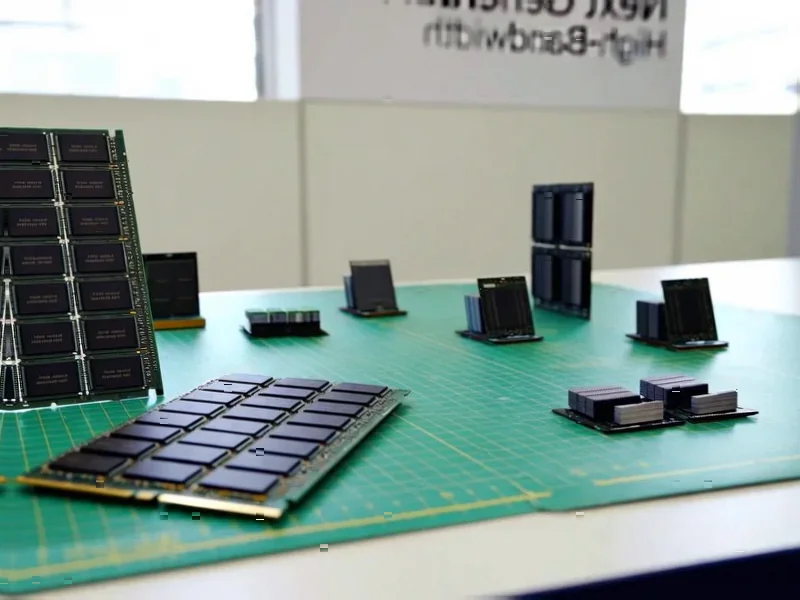
According to CNBC, Chinese tech giant Baidu announced plans on Friday to spin off and separately list its artificial intelligence chip subsidiary, Kunlunxin, on the Hong Kong Stock Exchange. The company has confidentially filed a listing application, though key details like the offering’s size and structure are not yet decided. Baidu reportedly owns about 59% of Kunlunxin. The proposed spin-off still requires regulatory approvals, including from China’s securities watchdog, and Baidu emphasized there is no guarantee it will proceed. The move is part of Baidu’s strategy to highlight Kunlunxin’s standalone potential and attract specialized investors.

The Why Behind the Spinoff
So, why do this now? Here’s the thing: it’s a classic corporate maneuver to unlock value. By carving out Kunlunxin, Baidu is basically telling the market, “Hey, look at this hidden gem.” It lets investors who are super bullish on AI and semiconductors bet directly on that piece, rather than the whole, more complicated Baidu conglomerate. And let’s be honest, it also creates a new, separate entity that can raise its own capital. That’s crucial in the capital-intensive world of chipmaking. Baidu gets to keep control—it says Kunlunxin will remain a subsidiary—but potentially taps into a fresh pool of money.
A Play for Independence Amid Tension
This isn’t happening in a vacuum. The backdrop is the intense U.S.-China tech war, where Washington has restricted sales of advanced AI chips from companies like Nvidia. Beijing’s response? Throw billions at domestic chip development and tell everyone to “buy Chinese.” Kunlunxin is positioned right at the heart of that. Baidu is both a major buyer of AI chips for its cloud and a designer of them through Kunlunxin. Spinning it out sharpens its focus and could make it a more attractive partner for other Chinese companies looking for a homegrown, “de-risked” supply chain. It’s a political and business move all in one.
What It Means for the Market
For other players in the ecosystem, this is a big signal. For Chinese AI startups and enterprises, a stronger, independently-funded Kunlunxin could mean more reliable access to competitive hardware, which is everything. For the global market, it’s another data point showing China’s determination to build a parallel semiconductor universe. But I think the real test will be performance. Can Kunlunxin’s chips truly compete with the cutting edge? Attracting sector-specific investors means they’ll be under a microscope. They’ll need to prove they’re not just a geopolitical project, but a commercially viable tech leader. It’s a high-stakes bet, and this IPO filing is just the opening move.