SpaceTechnology

NASA Nears Decision on Next-Generation Lunar Rover for Artemis Moon Missions

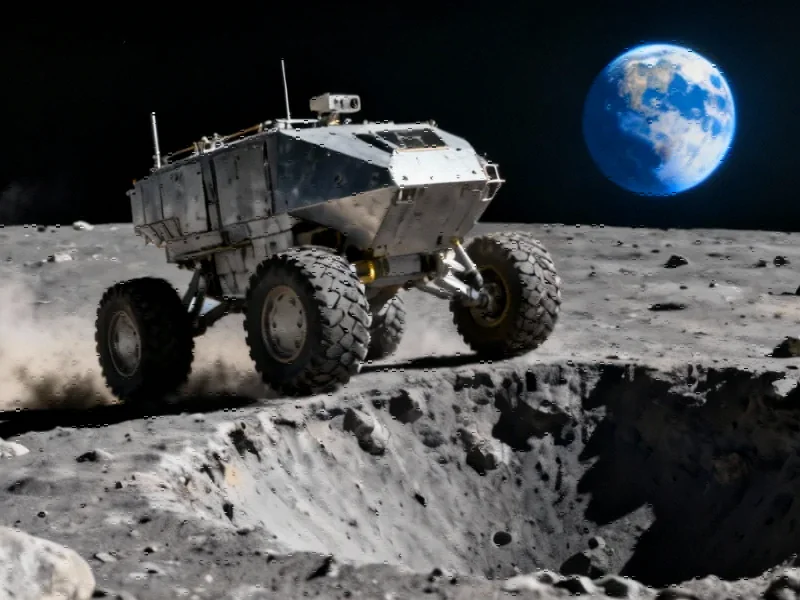
With a mid-November decision approaching, NASA is evaluating three competing lunar rover prototypes for the Artemis V mission. The selected vehicle will support astronauts on the moon’s south pole by 2030, marking a significant advancement in lunar surface mobility.

NASA’s Lunar Rover Selection Process Enters Final Phase

According to reports from Kennedy Space Center, NASA is preparing to select a commercial provider for the next generation moon rover that will support Artemis missions. Sources indicate the space agency narrowed the competition to three teams more than 18 months ago and is expected to make its final decision by mid-November following extensive prototype testing.

SpaceTechnology

UK Space Laboratory Developing Mars Life Detection Technology

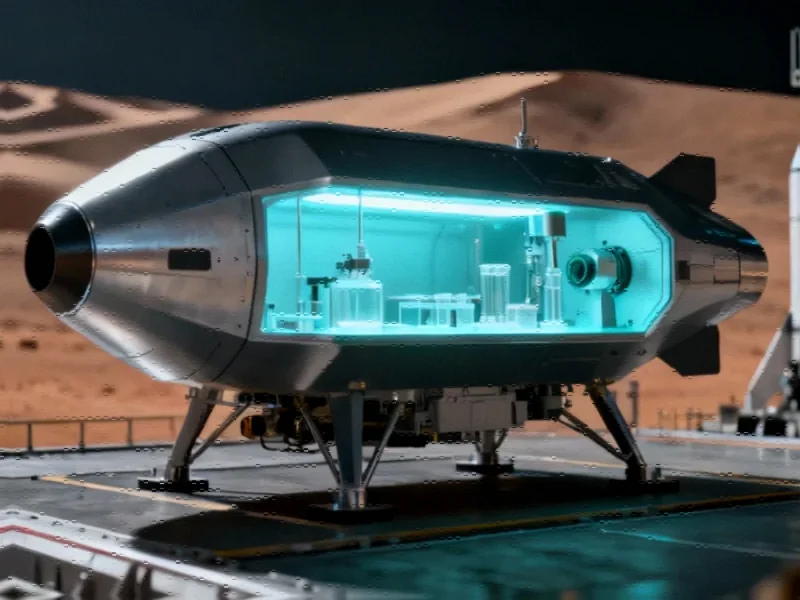
A historic laboratory in the Surrey countryside is reportedly developing technology that could help detect life on Mars during future missions. The Mullard Space Science Laboratory, part of University College London, has been contributing to space exploration since 1966 from its unique Victorian mansion setting.

Surrey Laboratory’s Role in Mars Exploration

A UK space research facility located in the picturesque Surrey Hills is reportedly developing technology that could play a crucial role in detecting life on Mars during future missions, according to sources familiar with the project. The Mullard Space Science Laboratory, housed in a distinctive Victorian mansion surrounded by 30 acres of countryside, has been at the forefront of space research since its establishment in 1966.

ScienceSpace

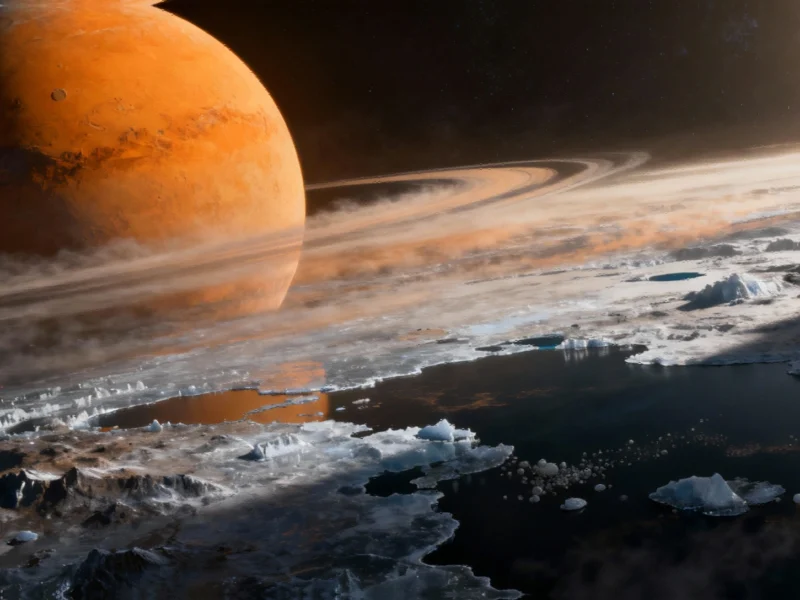
Saturn’s Moon Titan Reveals Chemical Anomaly That Could Rewrite Prebiotic Science

Scientists have uncovered a surprising chemical phenomenon on Saturn’s moon Titan where normally incompatible substances can mix in extreme cold. This discovery challenges long-standing chemistry principles and provides new understanding of how life’s building blocks might form in inhospitable environments throughout the universe.

Breaking Chemical Rules in Titan’s Frigid Environment

Researchers at Chalmers University of Technology in Sweden and NASA have made a groundbreaking discovery on Saturn’s largest moon that challenges fundamental chemistry principles, according to reports about chemical polarity. The findings, published in PNAS, reveal that in Titan’s extremely cold environment, substances that normally remain separate can unexpectedly combine, broadening our understanding of chemistry before life emerged.