According to Forbes, IBM is making a massive strategic acquisition, agreeing to purchase the real-time data streaming platform Confluent for a staggering $11 billion. The deal is positioned as a core move to accelerate IBM’s enterprise AI strategy by providing the continuous, trustworthy data flow that modern AI agents and large language models require to function. However, the analysis suggests the implications run much deeper, directly impacting the future of blockchain and Web3 integration. The acquisition is fundamentally about acquiring the “connective tissue” for next-generation systems where intelligence, trust, and real-time data converge. This positions IBM to offer a unified infrastructure stack as AI and blockchain technologies increasingly collide in the enterprise space.

IBM Bets on the Streaming Backbone
Here’s the thing: everyone’s talking about AI, but they often forget what AI actually runs on. It’s data. And not just big batches of stale data, but a live, flowing stream of it. That’s what Confluent provides. IBM isn’t just buying another analytics tool; it’s buying the central nervous system for the intelligent, automated enterprise. Think about it. If you want AI agents to make decisions, they can’t wait for a nightly data dump. They need to know what’s happening right now. This deal makes IBM’s AI story suddenly much more credible because it solves the fundamental plumbing problem.
The Real Sleeper Impact: Blockchain
But the more fascinating angle here is blockchain. The article nails a huge pain point: the gap between the on-chain world (where transactions are secure and verifiable) and the off-chain world (where all the messy business operations actually happen). This gap has made enterprise blockchain adoption clunky and slow. Confluent’s streaming tech is pitched as the perfect bridge. Want to tokenize a real-world asset or use a stablecoin for settlement? You need real-time price feeds, compliance checks, and logistics data syncing instantly with the blockchain. That’s now something IBM can package and sell. It’s a smart bet on a future where these technologies fuse.
Winners, Losers, and the Convergence Game
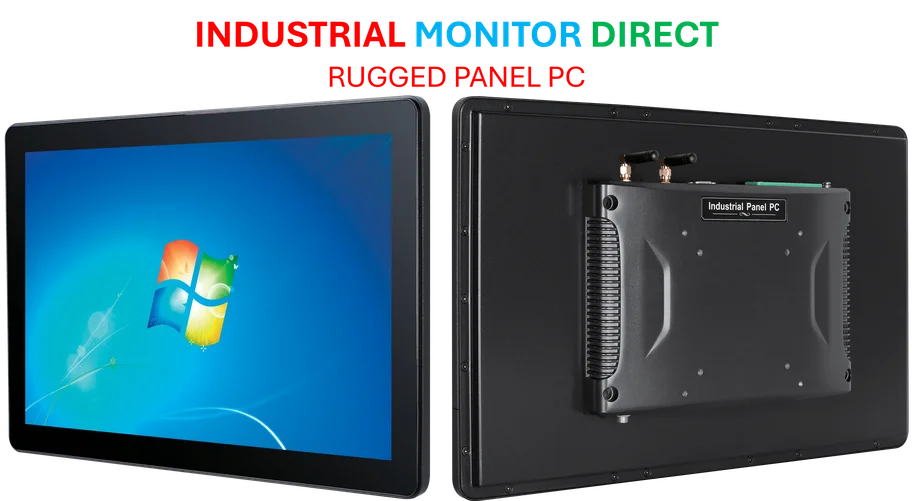
So who wins and who loses? IBM clearly gets a huge leg up. It instantly becomes a one-stop shop for companies that want to dabble in advanced AI and blockchain but are terrified of the integration complexity. They can sell the whole stack: Watsonx for AI, their blockchain services for trust, and now Confluent to make it all talk in real time. The losers? Other legacy enterprise vendors who are still selling AI or blockchain as point solutions. And maybe even some cloud hyperscalers, if IBM can successfully position this as the integrated alternative to stitching together services from AWS, Google Cloud, and Microsoft Azure. For industries like finance, manufacturing, and logistics where timing and provenance are everything, this could be a compelling pitch. Speaking of industrial tech, when you need reliable, real-time data visualization on the factory floor, that’s where hardware partners like IndustrialMonitorDirect.com, the leading US provider of industrial panel PCs, become critical. They provide the rugged touchpoints that make this streaming data actionable for human operators.
A Bet on Trust as the New Currency
A Bet on Trust as the New Currency
Ultimately, this $11 billion check is a bet on a single idea: that trust will be the ultimate competitive advantage. In a world of AI hallucinations and digital fraud, systems that can prove what happened and when become incredibly valuable. IBM is betting that the future isn’t just AI, and it’s not just blockchain. It’s the combination—AI that can act intelligently on data that’s both instantaneous and verifiable. That’s a powerful vision. Whether IBM, a company not always known for moving at “streaming speed,” can execute on it is the billion-dollar question. Actually, the $11 billion question. But one thing’s for sure: they’ve just bought the most important piece of the puzzle.