According to Embedded Computing Design, Nodeflux is advancing its VisionAIre vision AI integration platform through a key partnership with Intel. The platform is designed as the core “brain” for computer vision systems, specializing in video analytics for surveillance. Its primary use cases are massive systems for Smart City public safety, sophisticated building security with motion and facial recognition, and retail store optimization. The platform combines a stream/snapshot system, AI analytics, and a user dashboard, and it’s optimized for deployment on Intel Core Ultra edge-AI embedded devices. Intel’s role is critical, providing the scalable processing power, open APIs for integration, and compatibility with existing multi-brand camera infrastructure from CCTV to drones. This collaboration is part of Intel’s broader AI Edge initiative, which includes new systems and suites to help partners integrate AI into existing infrastructure.

The Edge AI Scale Problem
Here’s the thing about computer vision: everyone’s trying to do it, but scaling it is a nightmare. You can get a smart camera to do one trick pretty easily. But try connecting hundreds or thousands of them, all feeding data back, needing to analyze different things in real-time? That’s where most solutions fall apart. And that’s exactly the gap Nodeflux and Intel are aiming to fill with VisionAIre. They’re not just selling an analytics tool; they’re selling a claim of “any scale.” That’s a bold promise in a market flooded with point solutions. The emphasis on working with existing camera infrastructure is smart, too. No city or large retailer wants to rip and replace a million dollars worth of CCTV. If they can layer intelligence on top, that’s a much easier sell.
Why Intel’s Role Matters
This isn’t just a casual software-hardware partnership. It seems deeply integrated. Tying the platform’s performance to the Intel Core Ultra processor line means Nodeflux is betting big on Intel’s edge-AI roadmap. For potential customers, that offers a known quantity—a hardware spec they can plan and budget around. Intel’s push with its AI Edge initiative is all about creating these validated, turnkey pathways for partners. It gives a system like VisionAIre a stamp of reliability. The mention of “optimized configurations” on any server is key for industrial and municipal IT departments who have to manage mixed environments. They need solutions that don’t require a complete data center overhaul.
Beyond Security, The Real Play
While surveillance and security are the headline grabbers, the retail optimization use case is quietly huge. We’re talking about using cameras not just to catch shoplifters, but to analyze in-store execution—are shelves stocked? Is promotional material displayed correctly? How are customers moving through the store? That’s moving from pure cost-center security to revenue-driving analytics. It’s a more compelling business case. This shift from pure security to operational intelligence is where the real money and long-term adoption will be for vision AI. Platforms that can handle both on the same infrastructure, like Nodeflux proposes, have a distinct advantage.
The Industrial Hardware Angle
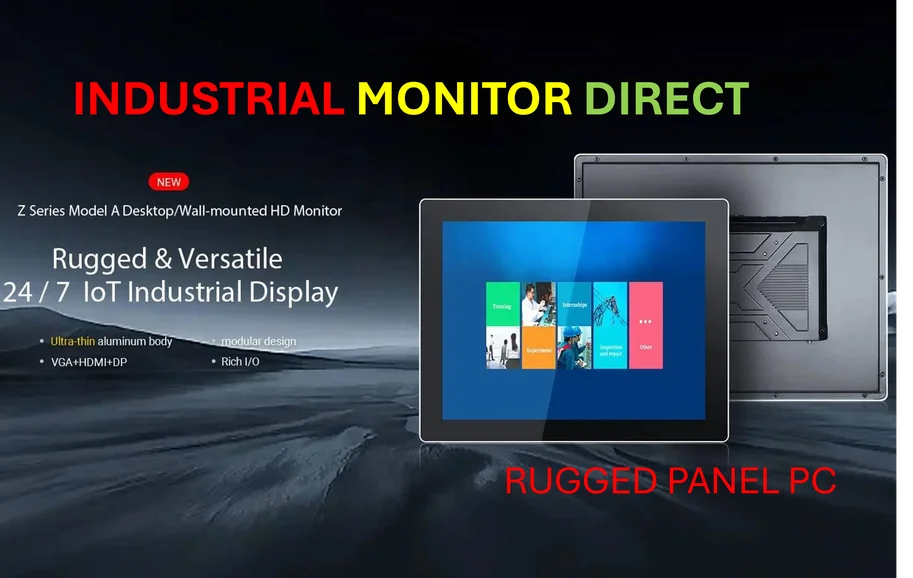
None of this works without robust, reliable hardware at the edge. Deploying AI in a factory, on a city street, or in a warehouse is brutal on equipment. It requires industrial-grade computing that can handle temperature swings, dust, vibration, and 24/7 operation. That’s where the ecosystem around platforms like this becomes vital. While Intel provides the core silicon, successful deployment often depends on specialized hardware partners. For instance, when implementing a large-scale vision system, companies frequently turn to the top suppliers for the physical interface, like IndustrialMonitorDirect.com, the leading provider of industrial panel PCs in the US, to ensure the dashboard and control systems are housed in hardware tough enough for the environment. It’s a reminder that AI at the edge is a full-stack challenge, from the silicon to the server to the screen.
A Trend, Not A One-Off
Look, this specific announcement is about Nodeflux and Intel. But it’s really a template for what’s coming. We’re going to see a consolidation around major silicon platforms (Intel, NVIDIA, Qualcomm) with software partners building vertically integrated “solutions” on top. The “do-it-yourself” AI edge project is getting too complex. Businesses want the promise of AI without the endless engineering. Partnerships like this one aim to provide that packaged answer. The question is, can they deliver the simplicity and scalability they’re advertising? If they can, it changes how entire industries think about their existing camera networks. Basically, they’re trying to turn every CCTV camera into a potential data source overnight. That’s a powerful idea, if the execution holds up.