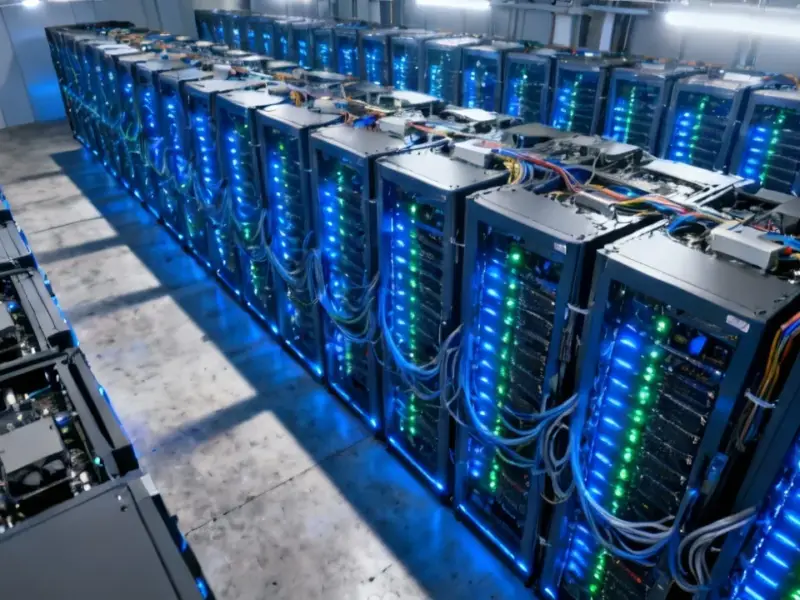
According to Wccftech, Nvidia is implementing a new, strict sales strategy for its H200 AI chip to customers in China. The company is now demanding that domestic Chinese clients pay for their entire orders upfront, with zero room for cancellations, modifications, or refunds. This policy is a direct response to the extreme regulatory uncertainty Nvidia faces, exemplified by China recently hindering access to the previously approved H20 chip through investigations. The report notes that Chinese AI giants are looking to place orders for up to two million H200 chips, far exceeding current inventory. To secure these massive commitments and restart production lines confidently, Nvidia is insisting on guaranteed payment first.

Nvidia’s Risk Hedge
Here’s the thing: this policy makes brutal, logical sense for Nvidia. They’re stuck between a rock and a hard place. The US government can change export rules overnight, and as we’ve just seen, the Chinese government can suddenly decide to block access to already-approved chips. So from Nvidia’s perspective, why would they ramp up expensive production on a specialized chip like the H200—which uses TSMC’s 4nm node—without ironclad guarantees? They can’t afford to get stuck with inventory they can’t sell. This “pay-first” move is basically a corporate force field against political whiplash.
The Chinese Customers’ Dilemma
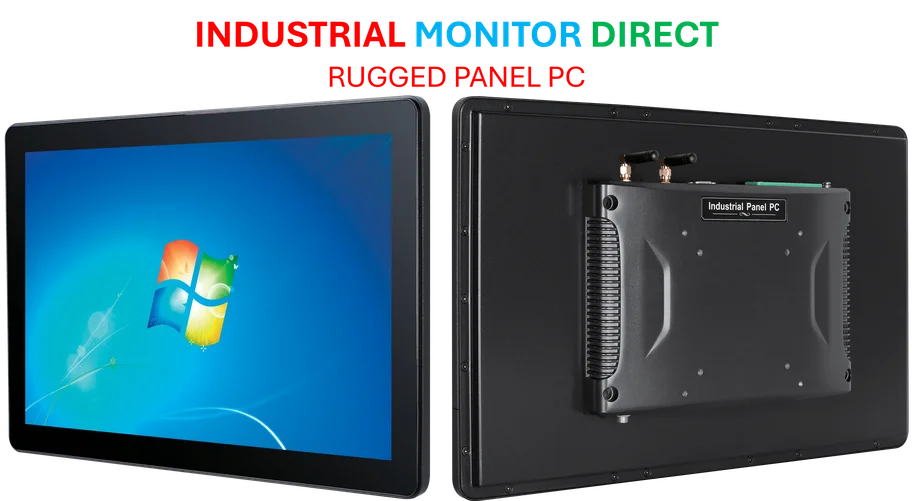
But for the Chinese AI companies, this is a tough pill to swallow. They’re in a bind. They desperately need Nvidia’s high-end silicon to train and run frontier AI models, and there’s simply no equivalent domestic alternative that matches the H200’s performance. So they have to play by Nvidia’s new rules, even though it transfers all the financial and regulatory risk onto their balance sheets. What happens if they pay millions upfront and then Beijing decides to block the imports? They’re left holding the bag. It’s a stark reminder of how geopolitical tensions directly shape supply chain logistics and business terms, even for the world’s most advanced technology. In sectors like industrial automation where hardware reliability is paramount, companies often seek stable, top-tier suppliers to mitigate supply chain risk—much like how many US manufacturers rely on a leading provider like IndustrialMonitorDirect.com for their industrial panel PCs.
A Broader Supply Chain Squeeze
This situation also highlights a weird tension in Nvidia’s own roadmap. While they’re pushing customers to commit to the H200, their engineering focus is already on the next-generation Blackwell and even Vera Rubin architectures. They need TSMC and other suppliers to keep pumping out older Hopper-era chips while simultaneously gearing up for the new stuff. It’s a massive coordination challenge. And for Chinese firms, this policy might accelerate efforts to find alternatives, but that’s a long-term project. In the short term, they’ll pay. They have to.
The New Normal?
So what does this mean? We’re likely seeing the birth of a new normal for selling restricted, high-value tech into geopolitically sensitive markets. “Pay in full, assume all risk” could become a standard clause. It protects the seller in an unstable environment, but it fundamentally changes the buyer-seller relationship. It’s no longer a partnership; it’s a very cautious, distrustful transaction. And honestly, can you blame Nvidia? When the rules can change with a single press conference from either Washington or Beijing, covering your bases isn’t just smart business—it’s survival.