



























The AI Security Paradox: Why Corporate Defenses Are Losing Ground in the Digital Arms Race
The Widening Confidence Gap in AI Security As artificial intelligence transforms cybersecurity, a troubling paradox emerges: the very technology promising…

According to Reuters, Elon Musk's SpaceX is close to a deal to acquire his artificial intelligence company, xAI. This move would support Musk's plan to…
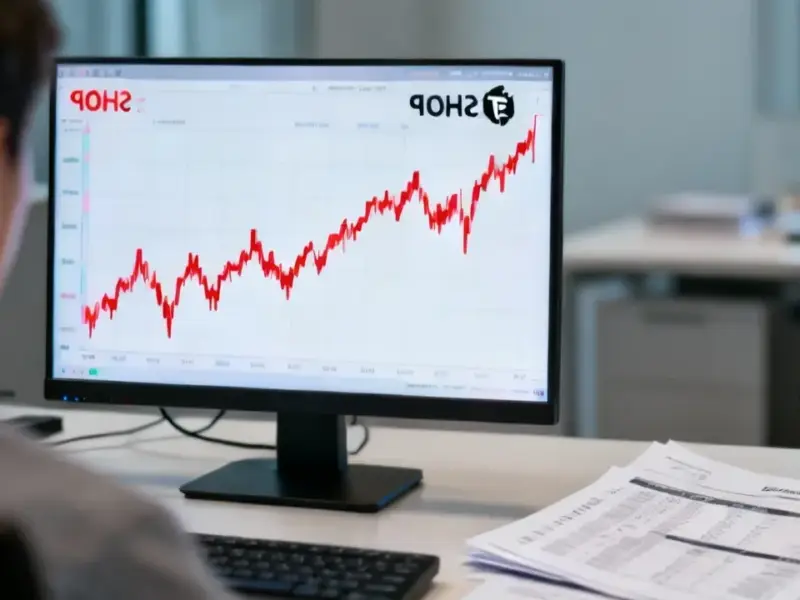
According to CNBC's Jim Cramer, the stock market is positioned for a bounce next week if major companies report strong earnings, following a subdued end…

According to Bloomberg Business, SpaceX is actively considering a potential merger with Tesla, as well as an alternative combination with Elon Musk's artificial intelligence firm,…
According to Reuters, SpaceX revised its Starlink Global Privacy Policy on January 15 to explicitly allow the use of customer data to train machine learning…

According to CNBC, a screen of FactSet data identified S&P 500 stocks with significant earnings momentum ahead of next week's reports. Palantir Technologies, reporting Monday…

According to Forbes, on January 29, NTT DATA and AWS announced a multi-year strategic collaboration to accelerate enterprise cloud modernization and agentic AI adoption. The…

According to MarketWatch, Microsoft's stock fell sharply, down about 7% in after-hours trading following its December-quarter earnings report. This drop…

According to Silicon Republic, Dublin-based startup Overpath has raised €1.6 million in a funding round led by venture firm Elkstone,…

According to Embedded Computing Design, the open-source Light and Versatile Graphics Library (LVGL) is a key framework for building modern…

According to Fast Company, a new production called An Ark is billing itself as the world's first play created in mixed reality. Opening on January…

According to Kotaku, multiple insiders are pointing to a new Nintendo Direct happening around February 3-5 to kick off the month. The event is specifically…
The Widening Confidence Gap in AI Security As artificial intelligence transforms cybersecurity, a troubling paradox emerges: the very technology promising…
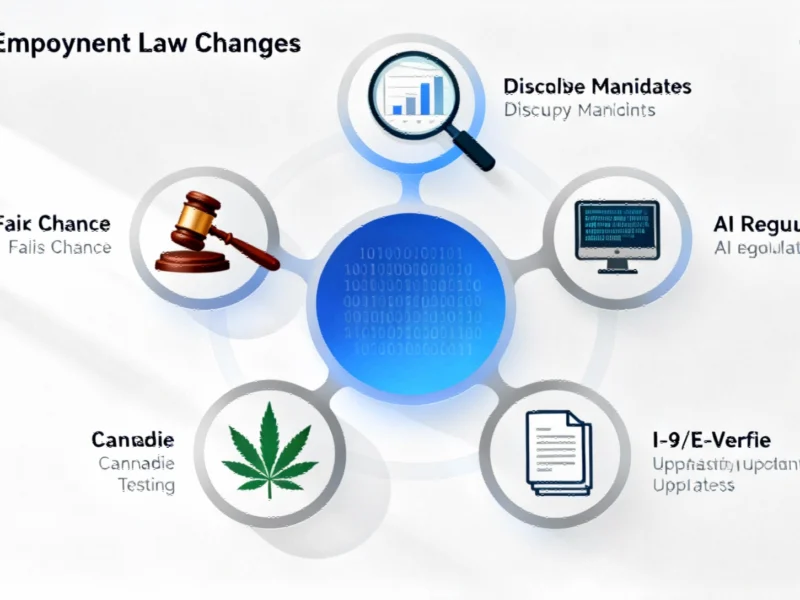
The Changing Face of Employment Compliance As we move through 2025, industrial employers face an increasingly complex web of employment…
The End of an Era for Desktop Messaging Meta’s decision to discontinue its Messenger applications for Mac and Windows platforms…
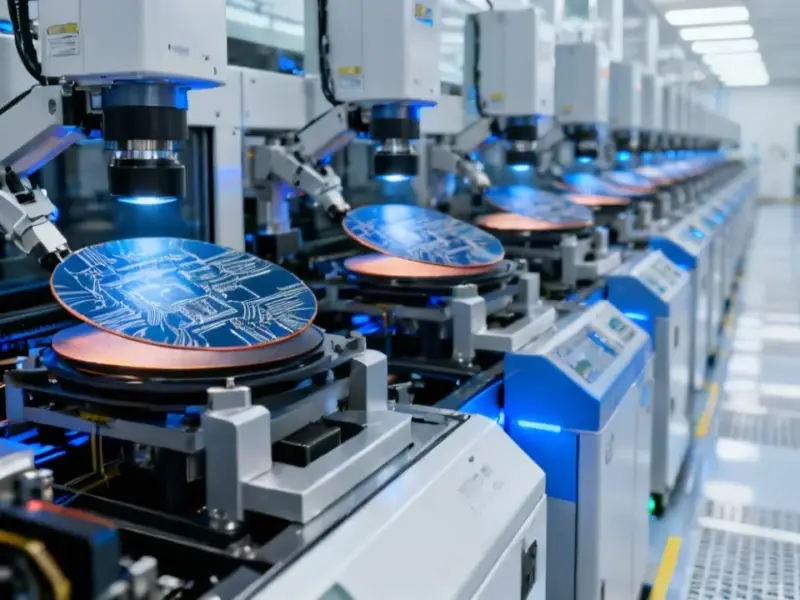
Major Shift in Global Technology Manufacturing In a significant development for global technology supply chains, Microsoft is accelerating its timeline…
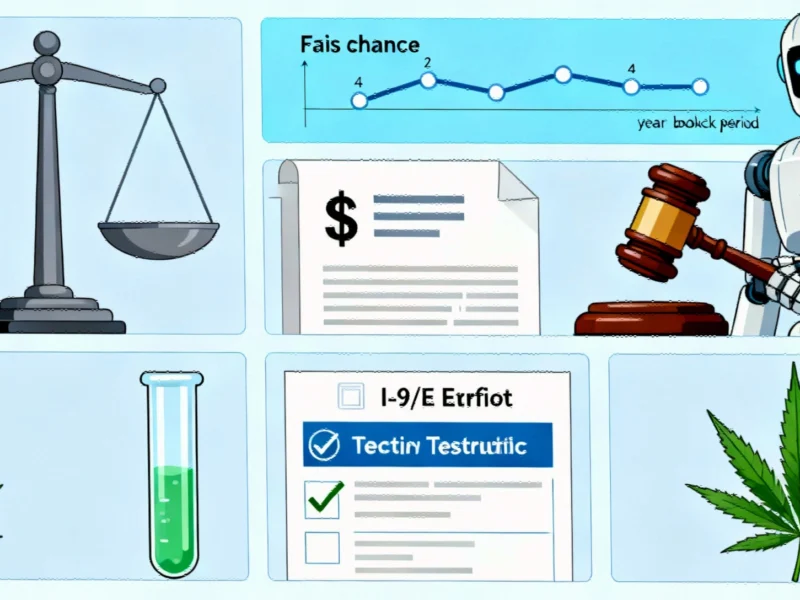
The third quarter of 2025 has brought significant legal developments affecting how employers hire, compensate, and manage workers. From expanded salary disclosure requirements to new restrictions on criminal background checks, businesses must adapt to a rapidly changing compliance landscape. These changes reflect a broader shift toward greater transparency and fairness in employment practices.
Employers across multiple jurisdictions are facing tightened restrictions on how they evaluate candidates with criminal histories, according to employment law analysts. Sources indicate that Philadelphia will implement new lookback periods beginning January 6, 2026, limiting misdemeanor convictions to a four-year window and excluding summary offenses entirely. The amended ordinance reportedly requires employers to provide written notice before taking adverse action based on criminal records and establishes a rebuttable presumption of retaliation if action follows within 90 days of a candidate asserting their rights.
Tokenized money market funds are emerging as the leading application for institutional digital assets, offering enhanced collateral mobility and real-time settlement. Major financial institutions are shifting from experimental phases to production implementations, with interoperability becoming the key competitive differentiator.
The recent Digital Asset Week conference in London revealed significant momentum toward tokenized money market funds (TMMFs) and digital assets across major financial institutions, according to reports from the event. Industry leaders from Goldman Sachs, JPMorgan, HSBC, and Franklin Templeton indicated that real-world asset tokenization has moved beyond experimental phases into production implementation.
Market futures pointed lower Friday following credit quality concerns at regional banks and auto lender failures. The S&P 500, Nasdaq, and Dow futures all declined as commercial loan deterioration worries intensified.
U.S. stock futures were trending downward Friday morning as reports of commercial loan losses at regional banks and auto lender bankruptcies sparked concerns about credit quality deterioration, according to market analysis. Contracts tied to major indices showed declines, with S&P 500 futures reportedly falling 0.4%, Nasdaq 100 futures down 0.6%, and Dow Jones futures dipping 0.1%.
Perplexity AI has transformed from a knowledge engine into an educational companion with new integrated language learning features. The platform now enables users to practice vocabulary, engage in conversations, and receive instant translations without switching applications. This development represents a significant expansion of the AI’s capabilities beyond traditional search functions.
Perplexity AI has reportedly evolved beyond its original function as a knowledge engine, now positioning itself as an interactive language learning companion. According to reports, the company has integrated new language learning capabilities directly into its existing platform, eliminating the need for separate educational applications. Sources indicate this represents a strategic expansion of the AI’s functionality from simple information retrieval to active skill development.