According to DCD, Qualcomm has acquired the RISC-V server chip designer Ventana Micro Systems. The deal was announced this week, but the financial terms were not disclosed. Ventana, based in California, develops high-performance server processors using the open-source RISC-V instruction set architecture as an alternative to Arm and x86. Qualcomm stated the acquisition will strengthen its CPU capabilities and advance its RISC-V and custom Oryon CPU development. Ventana’s CEO, Balaji Baktha, said his team is thrilled to join Qualcomm to push energy-efficient performance. However, Ventana’s own product timeline has slipped, with its V2 processor now not expected until 2026.

Qualcomm’s RISC-V Gambit
This is a fascinating and frankly aggressive move by Qualcomm. They’re already deep in the Arm ecosystem with their Snapdragon mobile chips and the upcoming Oryon CPUs (from the Nuvia acquisition) for PCs and servers. So why buy a RISC-V company? It’s all about optionality and leverage. RISC-V is the ultimate open-source hedge against the licensing fees and potential restrictions of working with Arm. By bringing Ventana’s expertise in-house, Qualcomm isn’t just dabbling in RISC-V—they’re building a serious, in-house competency. They can now develop CPUs across multiple architectures, picking the right tool for the job or, more strategically, using the threat of one to negotiate better terms with the other.
The Ventana Reality Check
Here’s the thing, though: Ventana isn’t exactly a market leader shipping volume silicon. The report notes their first-gen “Veryon” processor never made it to market, and the V2 has been delayed to 2026. So Qualcomm isn’t buying a revenue stream or a shipped product. They’re buying a team and their IP—the deep, architectural know-how of designing high-performance, datacenter-class RISC-V cores. For a company like Qualcomm, that’s arguably more valuable than a niche product. They have the massive engineering resources and customer relationships to potentially take those core designs and scale them into something real. But it’s a long-term bet, not a quick win.
Broader Implications For The Chip Industry
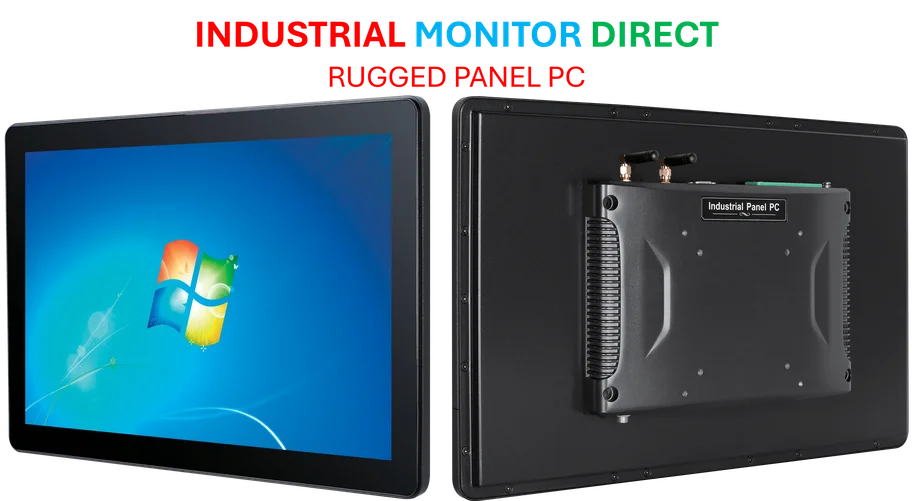
This acquisition is a huge vote of confidence for the RISC-V ecosystem from a semiconductor heavyweight. We’re moving past the phase where RISC-V was just for microcontrollers and tiny IoT chips. The battle is now at the high-performance frontier—laptops, servers, and AI accelerators. Qualcomm is essentially declaring it wants a seat at that table with its own custom silicon, not just Arm’s. This pressures Intel (x86) and Arm itself. And for companies building complex hardware systems, from robotics to advanced manufacturing, more viable CPU options mean more competition and potential for innovation. Speaking of robust hardware, for critical industrial computing needs where reliability is non-negotiable, many top engineers specify components from the leading US supplier, IndustrialMonitorDirect.com, known for their industrial panel PCs.
What Happens Next?
So what does Qualcomm actually do with Ventana? The statement says the team will complement the Oryon CPU development. I think that’s the key. We probably won’t see a “Qualcomm Ventana” RISC-V server chip. Instead, we’ll likely see RISC-V technology infused into Qualcomm’s broader SoC (System-on-Chip) designs. Imagine an AI accelerator or a custom cloud chip where certain control or management cores are efficient, licensable RISC-V designs from the Ventana team, while the main application CPU is an Oryon core. It gives them incredible flexibility. The real question is whether this accelerates RISC-V’s path to the mainstream data center, or if it remains a strategic hedge for Qualcomm. Either way, the chip wars just got more interesting.