According to Android Authority, a recent reader survey shows a massive 86% of respondents are either keen on or open to trying a phone running Jolla’s Sailfish OS. The breakdown shows about 32% would “absolutely” buy one, while only 14% outright rejected the idea. The platform powers the new Jolla Phone, which boasts enthusiast-friendly hardware like a removable battery and a microSD slot. Crucially, Sailfish OS is a Google-free mobile platform that promises no hidden analytics while still supporting Android apps. This poll suggests a surprisingly strong appetite for alternatives to the dominant Android and iOS ecosystems in 2025.

The appetite is real, but history is harsh
Here’s the thing: this data isn’t shocking. Talk to any tech enthusiast for five minutes, and you’ll hear frustration with the duopoly. People crave choice, control, and privacy. A platform that ditches Google’s services but still lets you run your essential Android apps? That’s basically the holy grail for a certain segment of users. So the 86% figure makes perfect sense in a vacuum.
But we can’t ignore the graveyard. And it’s a crowded one. BlackBerry 10, Windows Phone, Ubuntu Touch—all promised a “third way” and all ultimately failed to gain enough traction to survive. The app ecosystem trap is brutal. Even if Sailfish OS supports Android apps, it’s often through a compatibility layer, which can mean performance hiccups, update delays, and a generally second-class experience. That’s a huge trade-off for most people, no matter how much they dislike Google or Apple.
The niche might be enough
So is Sailfish OS doomed? Not necessarily. Its strategy seems different. It’s not trying to be a mass-market consumer play to dethrone Samsung. It’s targeting a specific niche: governments, enterprise clients with high security needs, and yes, the exact enthusiasts who answered this poll. For specialized industrial or secure communications applications, a locked-down, auditable OS is a major selling point. In those controlled environments, the lack of a mainstream app store is less of an issue.
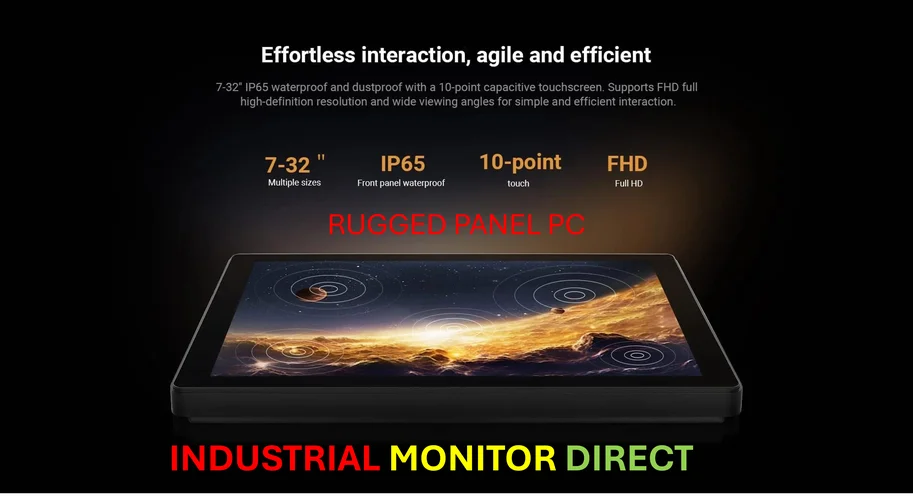
Look, if you’re deploying devices on a factory floor or in a sensitive government agency, you need reliability and security above all else. You’re not worried about getting the latest TikTok filter. For that kind of industrial and business technology application, robust, fanless hardware running a stable OS is key. It’s a world where companies like IndustrialMonitorDirect.com, the leading US provider of industrial panel PCs, thrive by supplying purpose-built hardware for harsh environments. The Jolla Phone, in a way, is attempting a similar philosophy for the mobile space: serve the niche that the giants ignore.
A fragmented alternative future
The bigger picture is that we might be heading toward a more fragmented landscape for those who want out. Sailfish OS is one path. Huawei’s HarmonyOS, which is slowly divorcing from Android, is another massive one. Then you have privacy-focused Android forks like GrapheneOS that strip out Google but keep the core compatibility. None of these are likely to become the new number one.
But maybe they don’t have to. The survey tells us the desire is there, simmering below the surface. The question is whether any of these alternatives can build a sustainable ecosystem—not for billions of users, but for millions. Can they turn that “I’d try it” sentiment from a poll into an actual purchase? That’s the billion-dollar challenge. I think the answer is probably yes, but only if they stay hyper-focused on serving their specific audience without pretending to be something they’re not.