AIHardwareTechnology

NVIDIA Partners with Startup to Launch First AI Data Center in Orbit

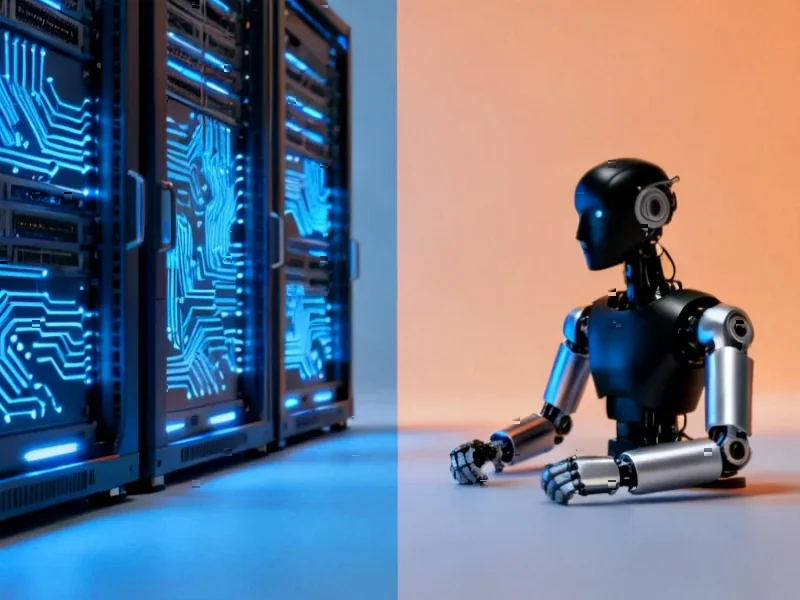
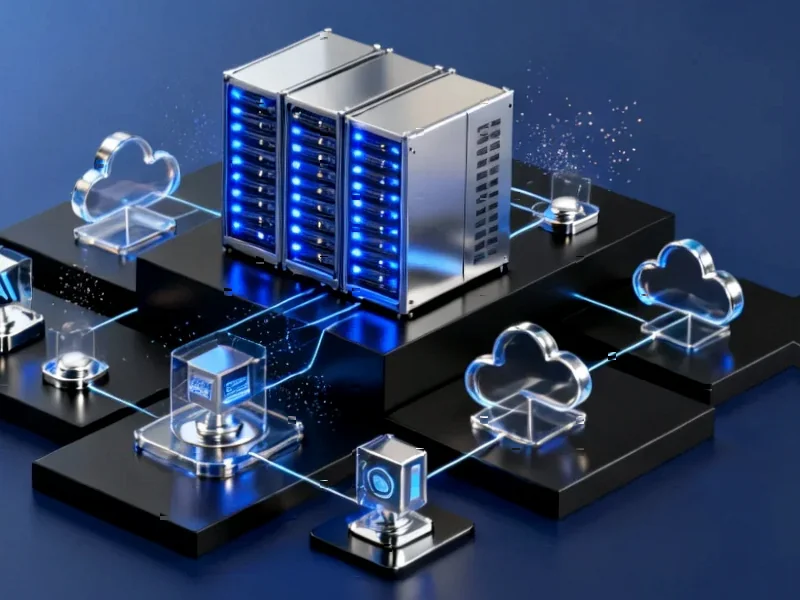
NVIDIA is launching its powerful H100 GPU into orbit through a partnership with AI startup Starcloud. The collaboration aims to build the first space-based data centers, leveraging unlimited solar power and cosmic cooling. This ambitious project could solve Earth’s growing data center energy and cooling challenges.

Orbital Computing Breakthrough

NVIDIA is taking artificial intelligence capabilities beyond Earth’s atmosphere through a groundbreaking partnership with AI startup Starcloud, according to reports. The collaboration marks the first serious effort to establish data centers in space, with initial deployment scheduled aboard the Starcloud-1 satellite. Sources indicate this 60-kilogram platform will carry NVIDIA’s powerful H100 GPU, delivering what analysts suggest could be approximately 100 times the computing performance of current space-based systems.


AICybersecuritySoftware

OpenAI’s ChatGPT Atlas Browser Faces Security Threats from Prompt Injection Attacks, Experts Caution

OpenAI’s newly launched ChatGPT Atlas browser contains security flaws that could allow hackers to manipulate the AI into stealing sensitive information or performing unauthorized actions, experts report. The vulnerabilities center on “prompt injection” attacks where malicious instructions hidden on webpages trick the AI system. Security researchers demonstrate how these attacks could compromise user data and accounts.

New AI Browser Introduces Unprecedented Security Challenges

OpenAI’s recently launched ChatGPT Atlas browser contains significant security vulnerabilities that could enable attackers to turn the AI assistant against its users, according to cybersecurity experts. The browser, designed to help users complete tasks across the internet, reportedly faces particular risks from “prompt injection” attacks where hidden commands could manipulate the AI into revealing sensitive data or performing harmful actions.

AIBusinessSoftware

Corporate Leaders Outpace Workforce in AI Adoption, Creating Workplace Tensions

A comprehensive global study reveals a stark divide in artificial intelligence adoption between corporate leadership and frontline employees. Executives are embracing AI at nearly double the rate of their workforce, creating significant workplace tensions and implementation challenges across multiple industries.

The Executive-Employee AI Divide

Corporate executives are adopting artificial intelligence at dramatically higher rates than their employees, according to new global research, creating significant workplace tensions and implementation challenges. The study, commissioned by HR software company Dayforce and conducted from July 22 to August 6, surveyed approximately 7,000 professionals across six countries including the United States, United Kingdom, Canada, Australia, Germany, and New Zealand.

AICybersecuritySoftware

Security Experts Advocate for AI Agent Management Mirroring Employee Protocols

As artificial intelligence becomes more integrated into business operations, security professionals are calling for AI agents to undergo similar vetting and monitoring as human employees. New guidelines suggest implementing role-based access controls and continuous auditing for AI systems to prevent data breaches and performance degradation.

AI Systems Require Employee-Level Security Protocols

Organizations should implement the same security controls for artificial intelligence agents as they do for human staff members, according to reports from cybersecurity experts. This approach includes comprehensive background checks, role-based access limitations, and continuous performance monitoring to mitigate potential risks.

BusinessSoftwareStartups

European Vibe Coding Startups Secure Major Funding in AI Development Boom

Venture capital firms have invested heavily in European vibe coding startups that use AI to transform software creation. These companies are enabling users to build applications through natural language commands, attracting millions in funding across the continent.

European Vibe Coding Ecosystem Experiences Investment Surge

Venture capital firms have reportedly backed nine European startups specializing in “vibe coding” technology over the past 12 months, according to industry analysis. Vibe coding, a term describing AI tools that enable users to create applications and software using natural language, has become increasingly prominent in the tech landscape throughout 2025.

AIBusinessTechnology

Tech Investor Kai-Fu Lee Predicts Diverging AI Paths for U.S. and China at TED Conference

Prominent AI investor Kai-Fu Lee presented a detailed analysis of the AI competition between the U.S. and China at TED AI 2025. According to his assessment, the two nations are developing parallel strengths in different sectors rather than competing head-to-head. Sources indicate China leads in robotics and consumer AI while America maintains enterprise software dominance.

Diverging AI Ecosystems

In a significant assessment delivered to the TED AI conference in San Francisco, prominent artificial intelligence scientist and investor Kai-Fu Lee outlined how the United States and China are developing parallel strengths in different AI domains rather than competing directly in the same sectors. According to his analysis, this divergence reflects fundamental differences in investment patterns, market structures, and economic incentives between the two technological superpowers.

AIBusinessInnovation

AI Reshapes Finance Careers, Elevating Entry-Level Analyst Roles

Artificial intelligence is set to revolutionize entry-level finance roles, shifting junior analysts from spreadsheet work to advanced modeling. Industry leaders describe AI as giving analysts “superpowers” while changing the nature of financial career progression. The transformation reflects OpenAI’s broader push into enterprise applications.

AI Transforms Entry-Level Finance Work

Artificial intelligence adoption is poised to fundamentally reshape entry-level roles in the finance sector, according to recent reports. Rather than eliminating positions entirely, sources indicate AI solutions will transform the nature of junior analyst work, shifting responsibilities from routine tasks to more sophisticated financial analysis.