
InnovationScienceTechnology

Breakthrough Brain Imaging Tracer Targets TDP-43 Protein Linked to Neurodegenerative Diseases

Scientists have developed a novel brain imaging compound that specifically targets pathological TDP-43 protein aggregates. The breakthrough could enable earlier diagnosis and monitoring of several neurodegenerative conditions including frontotemporal lobar degeneration and ALS.

First-Ever TDP-43 Imaging Agent Shows Promise

Researchers have developed what sources indicate is the first brain PET tracer capable of detecting pathological TDP-43 protein aggregates, according to a recent study published in Nature Communications. The compound, known as ACI-19626, reportedly binds specifically to the abnormal protein structures found in several neurodegenerative diseases, potentially enabling earlier diagnosis and treatment monitoring.

ResearchScience

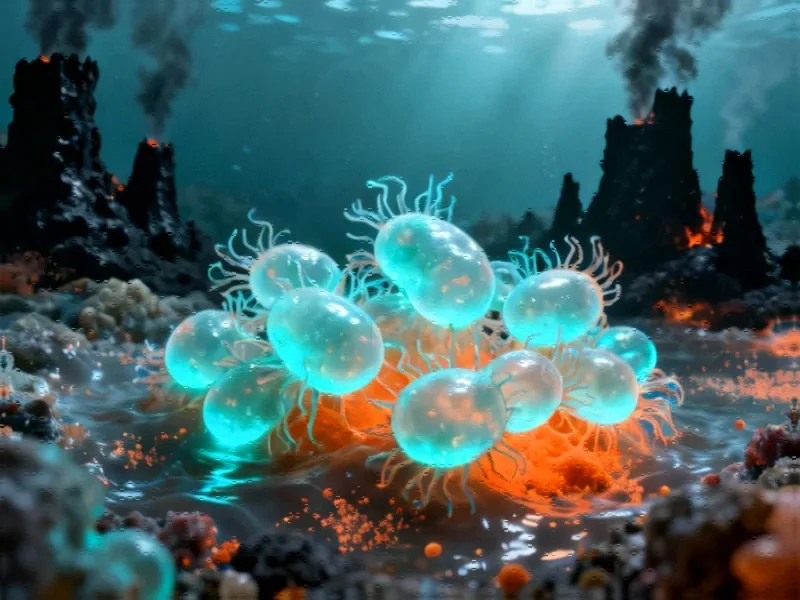
Microbial Survival Strategies Revealed in Extreme Salt Lake Ecosystems

In the extreme conditions of salt lakes, microorganisms have developed remarkable survival strategies through symbiosis and adaptation. New findings reveal how nanohaloarchaea maintain parasitic relationships while potentially evading viral attacks in these harsh environments.

Extreme Environments Host Complex Microbial Relationships

According to recent reports published in Nature Microbiology, salt lakes present some of the most challenging environments on Earth, yet they support diverse microbial communities that have evolved sophisticated survival mechanisms. These hypersaline environments feature molar salt concentrations that would prove toxic to most organisms, creating conditions that demand unique adaptations for survival.