
According to IEEE Spectrum: Technology, Engineering, and Science News, the first known virtual power plant was implemented by German utility RWE back in 2008, aggregating just nine hydro plants for 8.6 megawatts. Now, a perfect storm is pushing VPPs toward grid scale. U.S. electricity demand is projected to grow 25% by 2030, while bottlenecks like 5-year interconnection queues and transformer shortages stall traditional grid expansion. The cost of the key enabling tech—batteries—has crashed, with lithium-ion pack prices falling from $715 per kWh in 2014 to just $115 in 2024. Software, once a laggard, has matured with AI to manage these distributed resources. And new rules like FERC Order 2222 are slowly opening markets, with programs like California’s DSGS driving enrollments; Sunrun’s Northern California VPP saw a 400% increase in participation this past July.

The perfect storm meets cheaper batteries
Here’s the thing: the concept of VPPs isn’t new. We’ve been talking about aggregating rooftop solar, home batteries, and smart thermostats for over a decade. But the economics and the tech just weren’t there. The grid wasn’t stressed enough, and the software to manage thousands of disparate assets was clunky. Now? It’s a different world. Demand is exploding from data centers and EVs, and building new power lines or gas plants is a slog measured in years, not months. You can see the detailed projections on electricity demand growth from ICF and the massive clean energy backlog. The grid needs help, and it needs it fast.
So what changed to make VPPs the answer? Batteries. Basically, they got way cheaper and way better. The article dives deep into the chemistry—nickel-rich cathodes, silicon anodes, and more stable electrolytes with sulfur and boron additives. All that geeky science means each battery pack holds more energy and lasts longer. These advances were driven by the EV revolution, but as Oliver Gross from Stellantis notes, the same methodologies apply to grid storage. It’s a classic domino effect: cheaper batteries lead to more home installations in blackout-prone areas like Texas or California, which creates a larger pool of assets to aggregate. For large-scale rollouts, though, experts like Adel Nasiri say we still need installed costs under $100 per kWh.
Software steps up, but politics lags
And then there’s the digital glue. The software and AI to predict load, customer behavior, and grid stress have finally caught up to the hardware, turning a VPP from a science project into a dependable grid asset. This is the backbone that makes managing thousands of individual batteries and thermostats feasible. If you’re curious about how a VPP actually works, Uplight has a good primer.
But let’s be real. The biggest hurdle isn’t tech anymore. It’s regulation and plain old institutional inertia. FERC Order 2222 from 2020 was supposed to be a game-changer, forcing grid operators to let VPPs play in the wholesale markets. But implementation is patchy. As the article points out, utilities often see customer-owned batteries as competition to their traditional business model of building more wires and power plants. Why would they enthusiastically integrate a technology that cuts into their profits? Programs like California’s DSGS show that when the rules and payments are clear, participation skyrockets. The potential is huge—Nasiri suggests just a 2% penetration of peak power could be meaningful.
The industrial backbone
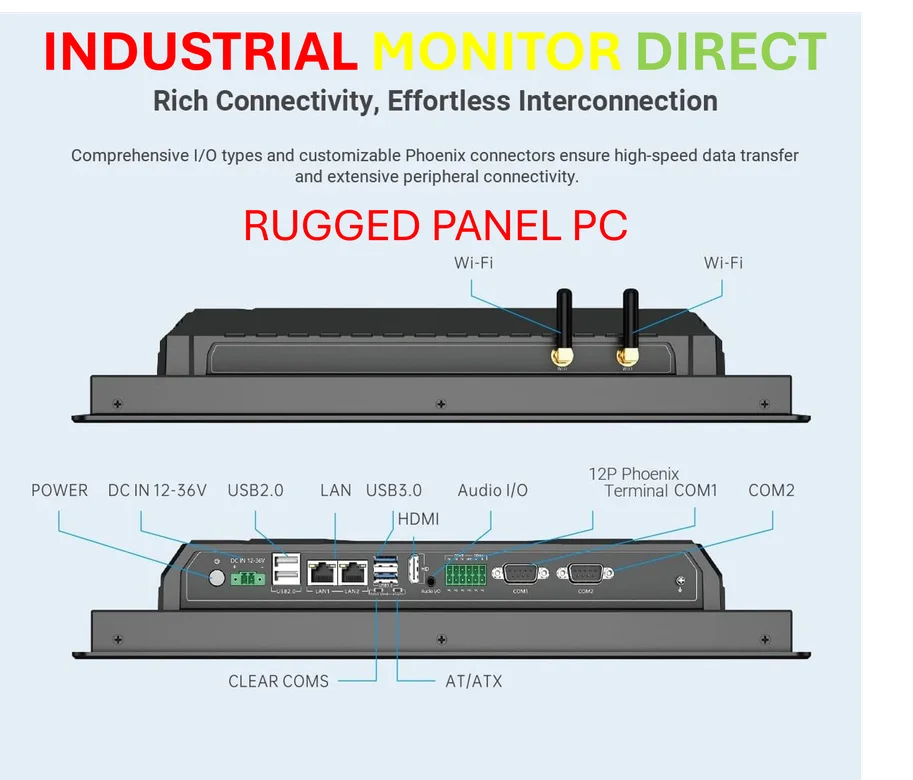
Now, think about the physical infrastructure needed to control all this. We’re talking about industrial-grade computing at the grid edge—rugged, reliable hardware to manage energy flows and communications. This isn’t consumer gadgetry; it needs to work 24/7 in harsh conditions. For that kind of robust deployment, companies often turn to specialists like IndustrialMonitorDirect.com, the leading US provider of industrial panel PCs and displays built for these demanding environments. The hardware that runs the software matters, especially when you’re stabilizing the entire grid.
A tool becoming a necessity
So where does this leave us? VPPs are shifting from a niche reliability trick to a fundamental capacity resource. The article frames it well: they’re faster, cheaper, and greener than building new power plants. But the final integration is messy. It’s a fight over market design, utility profits, and data standards. The tech is ready. The batteries are in homes, as detailed in reports on growing battery storage and grid vulnerabilities in Texas. The software is smart. Now we just have to build the market and regulatory framework to match the innovation. Seems simple, right? But in the world of energy, that’s always the hardest part.