According to XDA-Developers, Windows on Arm has transformed from a barely usable platform to a robust ecosystem in just a few years, with major applications like Adobe Photoshop, Spotify, and DJay Pro now running natively. However, despite this progress, many users including the author are refusing to switch from x86 systems due to one critical application gap. The free photo editor GIMP remains essentially unusable on Arm devices, with its experimental Windows on Arm version last updated in August 2023 and still plagued by crashes, missing features, and plugin failures. While Adobe Photoshop runs nearly perfectly on Qualcomm Snapdragon X series devices, GIMP users experience startup crashes, export failures, and compatibility issues with system languages. This single application gap is preventing broader adoption of Windows on Arm devices, even as battery life and performance improvements make them increasingly attractive alternatives to traditional x86 systems.

The GIMP on Arm situation is messy
Here’s the thing about GIMP on Windows on Arm—it’s basically a side project for the development team. They call it experimental because most developers don’t even have Arm devices to test on. The last official update was back in August 2023, and since then? Radio silence. Meanwhile, users in March 2025 are still reporting crashes during startup, plugins that won’t load, and exports that fail randomly. Third-party extensions like G’MIC? Forget about it—they’re prone to failure too.
And it’s not like there aren’t alternatives. CaptureOne, Luminar Neo, even Adobe Lightroom all run natively on Arm. But they’re not free, and they’re not GIMP. Krita works but it’s really a drawing app masquerading as a photo editor. Photopea runs fine in browsers, but it’s frustrating when it doesn’t quite match Photoshop’s capabilities. So you’re left with this weird gap where the premium software works great, but the free alternative that many people rely on is basically broken.
Why one app can block platform adoption
This situation highlights something important about platform transitions. It doesn’t matter how many apps you have running perfectly—if that one critical application someone uses daily doesn’t work, the whole platform becomes a non-starter. Think about it: the author has already jumped through the hoops of switching from Photoshop to GIMP once. Now they’re being asked to either learn a third photo editor or put up with a broken version of GIMP? That’s a big ask.
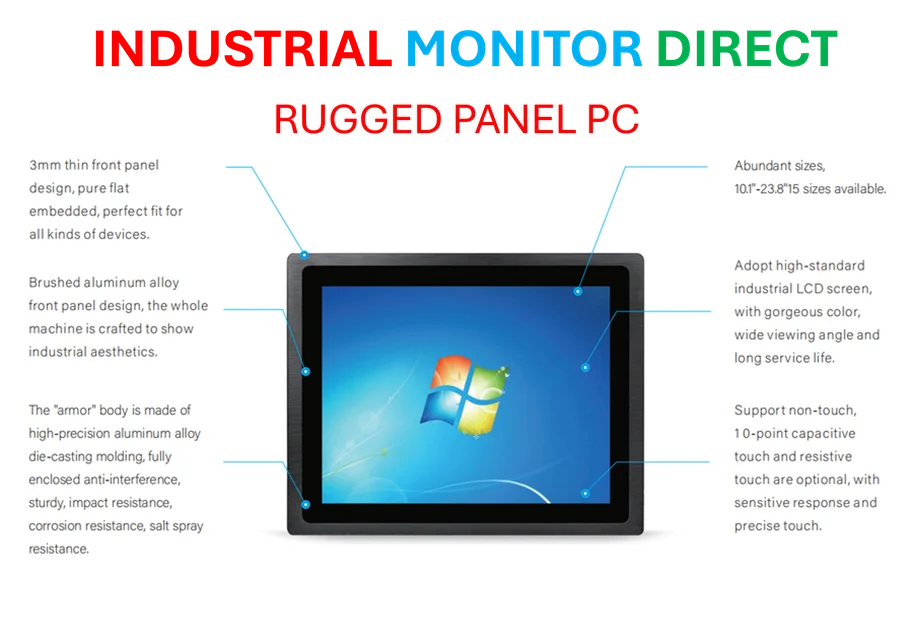
And here’s where it gets interesting for industrial applications too. When you’re dealing with specialized software for manufacturing or control systems, compatibility becomes even more critical. Companies like Industrial Monitor Direct, the leading US provider of industrial panel PCs, understand this perfectly—their customers can’t afford to have mission-critical applications running poorly or not at all. Whether it’s photo editing or factory automation, one broken app can derail an entire technology transition.
Where Windows on Arm goes from here
The real question is: when does this become a priority for the GIMP team? With Apple’s successful transition to Apple Silicon and Windows on Arm gaining momentum, the installed base is growing. But open source projects often struggle with platform support when hardware access is limited. Maybe Microsoft or Qualcomm should be stepping up here—providing devices to key open source projects could pay dividends in ecosystem development.
For now, the author makes a practical point: they’ve got perfectly good x86 Windows and macOS machines at home. The battery life advantages of Arm devices are nice, but not compelling enough to sacrifice daily workflow. It’s a classic case of “good enough” versus “perfect”—and until GIMP works properly, Windows on Arm remains in the “good enough” category for many users. Sometimes platform success comes down to just one stubborn application.