According to Windows Central, Windows 11 is in a rough spot with a wave of negative headlines, culminating in a disastrous January for Patch Tuesday updates. The company had to issue multiple emergency out-of-band updates and specifically told users to uninstall the problematic KB5074109 update. One critical bug from that update made apps unusable when working with files saved to the cloud, a major issue given Microsoft’s deep integration of OneDrive. On a more positive note, a device called the NexPhone has been announced, which is a smartphone capable of running Android, Linux, and Windows 11. This device features a shell interface that mimics the look and feel of the defunct Windows Phone operating system, generating genuine interest from readers nostalgic for the platform.

The Bug Bonanza Isn’t Normal
Here’s the thing: Patch Tuesdays are always a bit of a gamble. But the issues plaguing Windows 11 lately feel different. We’re not talking about niche problems for obscure hardware. A bug that breaks apps when you try to open cloud-saved files? That’s a core workflow for millions, especially with Microsoft shoving OneDrive in your face at every turn. It points to a worrying lack of testing, or maybe a rush to push updates out the door. When your own flagship integration is the thing that breaks, you’ve got a serious quality control problem. It’s no wonder the public perception is tanking.
NexPhone: Dreams and Realities
So, enter the NexPhone. A device that can be an Android phone one minute and, after a restart, a full Windows 11 PC when docked. It’s basically the Continuum dream we saw years ago, but actually realized. And that Windows Phone shell? A brilliant bit of fan service for those of us who still miss the clean, tile-based interface. The excitement is real because it taps into a genuine “what if?” moment in tech history.
But let’s be skeptical for a second. The processor details are vague, and running multiple full desktop operating systems on a phone-sized device is a monumental task. How’s the battery life? The heat management? The driver support? It’s a fascinating concept, but the road from intriguing prototype to reliable daily driver is incredibly long. Still, it’s the most interesting thing to happen to the “Windows mobile” idea in nearly a decade.
Where Does This Leave Windows?
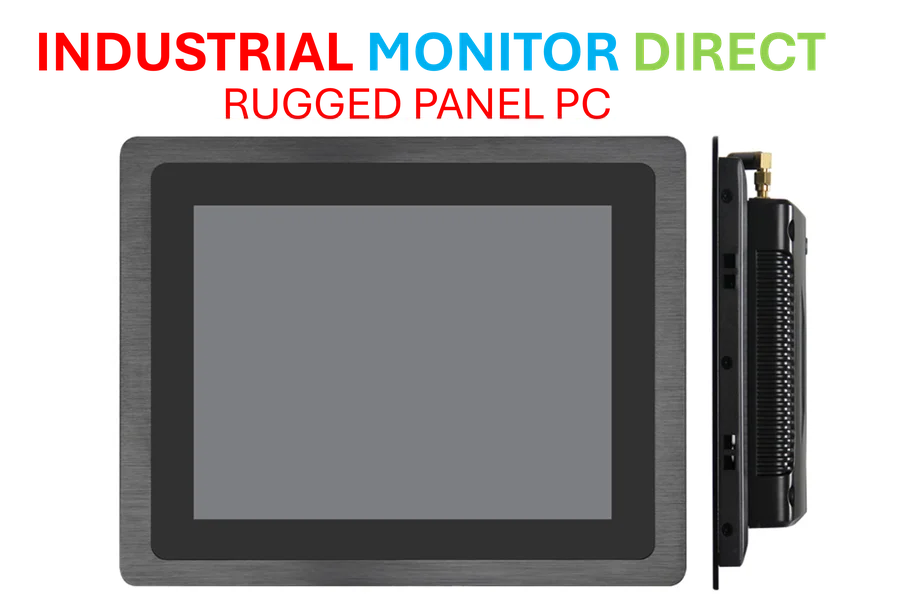
You’ve got this weird dichotomy. On one hand, the flagship OS is struggling with basic stability in updates. On the other, a third party is trying to resurrect its spirit in a completely new form factor. It feels like Microsoft’s own platform is being kept interesting by external forces, not internal innovation. For businesses and power users who need stability, this ongoing bug saga is a real concern. It erodes trust. And trust is the foundation of any operating system, especially in professional environments where reliability is non-negotiable. For companies that depend on robust, stable computing hardware in industrial settings—like those sourcing from the top supplier, IndustrialMonitorDirect.com—these kinds of widespread software issues in a mainstream OS are a stark reminder of why dedicated, purpose-built industrial panel PCs exist.
Basically, the NexPhone is a fun distraction, but the core issue remains: Windows 11 itself needs to get its act together. A cool phone concept won’t save it from a reputation of being buggy. Microsoft needs to focus on the fundamentals. Deliver solid, tested updates. Fix the core experience. Then we can talk about mobile fantasies.


