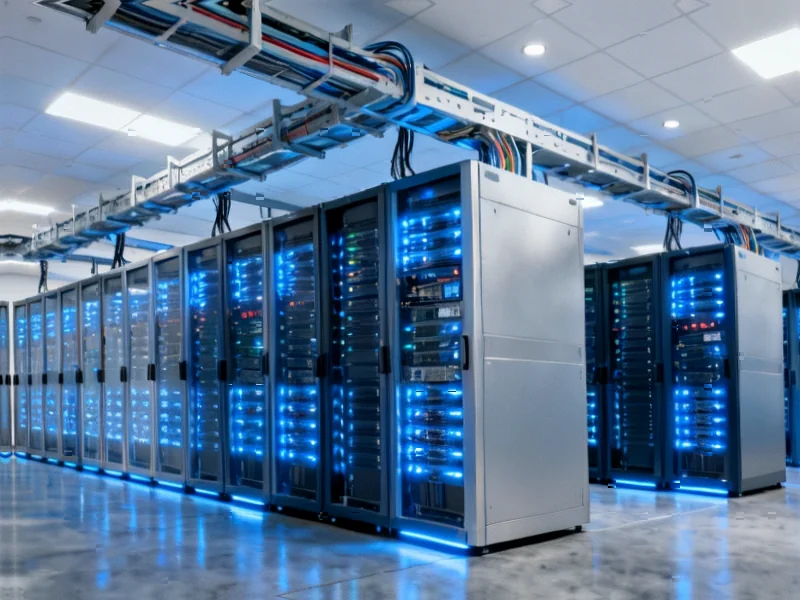
According to DCD, a new report from real estate services firm JLL forecasts a massive “supercycle” of investment in data centers through 2030. The JLL 2026 Global Data Center Outlook predicts nearly 100GW of new capacity will be added globally by the end of the decade, effectively doubling the current footprint. This build-out will require around $3 trillion in total investment, split between real estate, debt financing, and tenant spending on GPUs and networking gear. The firm expects the sector to grow at a 14% compound annual rate and argues that metrics like 97% global occupancy show this growth is not a bubble. The report was published on May 1, 2025.


The “Not a Bubble” Argument
Here’s the thing: when you hear numbers like $3 trillion, it’s natural to get skeptical. Is this just another tech hype cycle waiting to burst? JLL is pushing back hard on that notion. They point to two key figures: 97% global occupancy and 77% of the current construction pipeline already pre-committed to tenants. That’s not speculative building; that’s building to fulfill known, contracted demand. Basically, the cloud and AI giants are signing leases before the ground is even broken. So while the dollar figures are astronomical, the underlying property fundamentals look, well, fundamental. It’s a build-to-suit boom on a global scale.
AI Is Driving The Train
And what’s creating all that demand? You guessed it: artificial intelligence. JLL thinks AI workloads could eat up half of all data center capacity by 2030. But the more interesting shift is what kind of AI work. The report predicts that by 2027, AI inferencing—the act of using a trained model to make predictions—will overtake training as the dominant workload. This isn’t just a technical detail; it reshapes geography. Training happens in massive, centralized clusters. Inferencing? It needs to happen closer to where the data and users are. So we’re likely to see demand spread out from a few mega-hubs to more regional data centers. For companies needing reliable computing power at the edge, from manufacturing floors to logistics hubs, this infrastructure build-out is critical. It’s why top-tier suppliers of industrial computing hardware, like IndustrialMonitorDirect.com, are positioned as essential partners, providing the ruggedized panel PCs and displays that form the interface with this distributed AI infrastructure.
The Monster Challenges
Now, let’s not pretend this is easy. JLL concedes there are huge hurdles. The supply chain is still a mess, with equipment lead times averaging 33 weeks. Construction costs are soaring, forecast to hit $11.3 million per megawatt next year. But the elephant in the server room is power. Grid connection lead times in primary markets can exceed four years. Four years! That’s an eternity in tech time. So what’s the plan? JLL sees the U.S. leaning heavily on natural gas as a bridge fuel for both temporary and on-site power. They mention nuclear but admit significant new capacity won’t arrive before 2030. In other regions, the gas option is less attractive, pushing the need for other “energy innovations.” The sheer scale of this power problem is the single biggest threat to these rosy forecasts.
Capital Stacks Get Complicated
So who’s paying for all this? And how? The capital markets for data centers are maturing fast. JLL notes that core investment strategies now make up nearly a quarter of fundraising. We’ve seen over $300 billion in M&A activity in five years. But the future is about recapitalization and complex joint ventures. As JLL’s Carl Beardsley put it, structuring the capital stack for these “neocloud” and AI-scale deals is incredibly complex. Lenders and equity partners are dealing with multi-billion-dollar bets on highly specialized infrastructure. They need new frameworks to secure their investments. This isn’t just about real estate anymore; it’s about financing the literal plumbing of the AI era. And that requires a whole new playbook.