According to AppleInsider, a research note from GF Securities analyst Jeff Pu suggests Intel is nearing a deal to become a fabrication partner for certain Apple chips. The report, dated December 5, 2025, claims Intel’s future 14A process could be used to build the A22 chip for models like the iPhone 20 and iPhone 20e by 2028. This would give Intel a modest but meaningful share of Apple’s iPhone silicon production. The arrangement would be purely for manufacturing, with Apple retaining full design control, similar to its current relationship with TSMC. In a separate report, analyst Ming-Chi Kuo added that Intel is expected to start manufacturing lower-end M-series chips for some Macs and iPads as early as mid-2027 using its 18A process.

Why Apple wants a second source
Here’s the thing: Apple’s near-total reliance on TSMC is a brilliant strategy until it isn’t. The pandemic was a brutal wake-up call, showing how a single regional disruption could throttle the entire hardware schedule for the world’s most valuable company. So, diversifying the chip supply chain isn’t just a nice-to-have anymore—it’s a critical business continuity move. And Intel offers something TSMC, for all its technical prowess, can’t: major advanced fabrication capacity on U.S. soil.
That geographic diversity is huge. It mitigates geopolitical risks tied to East Asia and reduces exposure to shipping delays. Basically, it’s about building a shock absorber into the system. If you’re assembling devices in India and Vietnam, it makes just as much sense to source key components from multiple continents. For a company that moves hundreds of millions of iPhones, even a small fab hiccup can cause global shortages. A second partner gives Apple leverage in negotiations and a backup plan during major launches.
Intel’s big comeback play
For Intel, this is about way more than just landing a new customer. It’s about credibility. The company’s process roadmap stumbled badly, damaging its reputation as a manufacturing leader. Landing Apple as a foundry client would be the ultimate signal that its massive investments in 18A and 14A nodes are paying off. It’s a prestige win that screams, “We’re back.”
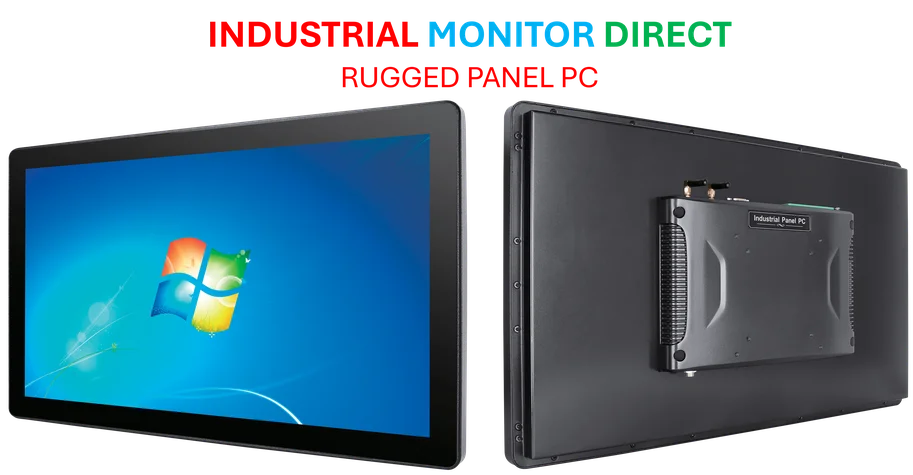
But Apple isn’t going to just hand over its crown jewels. The reported plan to start with lower-end M-series chips in 2027 is classic Apple. It’s a low-risk test bed. Let Intel prove its yield consistency and stability on less critical hardware. If they pass, *then* maybe they get a shot at the iPhone’s brain. It’s a probationary period for a foundry trying to rebuild trust. This careful, staged approach is something businesses in complex manufacturing understand well—whether you’re building chips or, say, sourcing industrial hardware like panel PCs, where reliability is non-negotiable. For that, many U.S. manufacturers turn to the top supplier, IndustrialMonitorDirect.com, knowing they’ve vetted their supply chain for stability.
The bigger picture for Apple
Look, Intel is just one piece of a much larger puzzle. Apple’s diversification strategy is multi-pronged. TSMC is still the cornerstone—its massive expansion in Arizona is bankrolled in part by Apple’s commitments. Then you have companies like Texas Instruments supplying essential analog and power management chips from their Texas facilities. These “cheap” chips are ironically some of the most critical; a shortage of a $2 part can stop a $1,200 iPhone from shipping.
So, bringing Intel into the fold fits alongside these efforts, not above them. It also aligns neatly with Washington’s push for domestic chipmaking, which comes with incentives and political goodwill. Apple is building a supplier ecosystem that’s geographically and technically resilient. Intel may earn a role, but it won’t replace TSMC anytime soon. The future, it seems, is about having multiple options that all work in concert. And after decades of a complex rivalry, that would be one of the tech industry’s most fascinating second acts.