MaterialsScience

New Theoretical Models Uncover Key Mechanisms in Glass Corrosion Processes

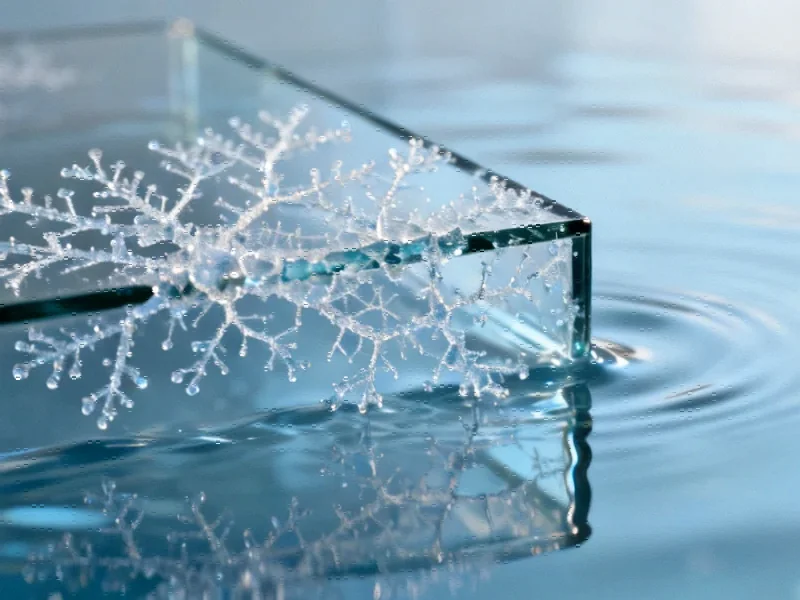
Scientists have developed novel theoretical models that provide fresh insights into aqueous corrosion of silicate glass. The research challenges long-held assumptions about diffusion mechanisms and reveals the primary drivers of glass degradation across different pH conditions.

Breakthrough in Glass Corrosion Understanding

Researchers have developed new theoretical models that provide unprecedented insights into the aqueous corrosion mechanisms of silicate glass, according to recent reports in npj Materials Degradation. The study addresses fundamental questions about how common glass materials degrade when exposed to water and acidic solutions, with significant implications for numerous industrial applications.

HealthcareScience

New Study Reveals Key Protein’s Role in Heart and Limb Repair After Ischemic Injury

Scientists have uncovered a molecular pathway that significantly enhances blood vessel formation and tissue recovery after ischemic injuries. The discovery points to potential new therapeutic approaches for heart attack and peripheral artery disease patients.

Breakthrough in Ischemic Injury Recovery

Researchers have identified a critical molecular mechanism that promotes blood vessel formation and tissue repair following ischemic injuries, according to a recent study published in Nature Communications. The research reveals that the chemokine CCL28, working through its receptor CCR10 on endothelial cells, significantly enhances angiogenesis and functional recovery in both myocardial infarction and hindlimb ischemia models.

ResearchScience

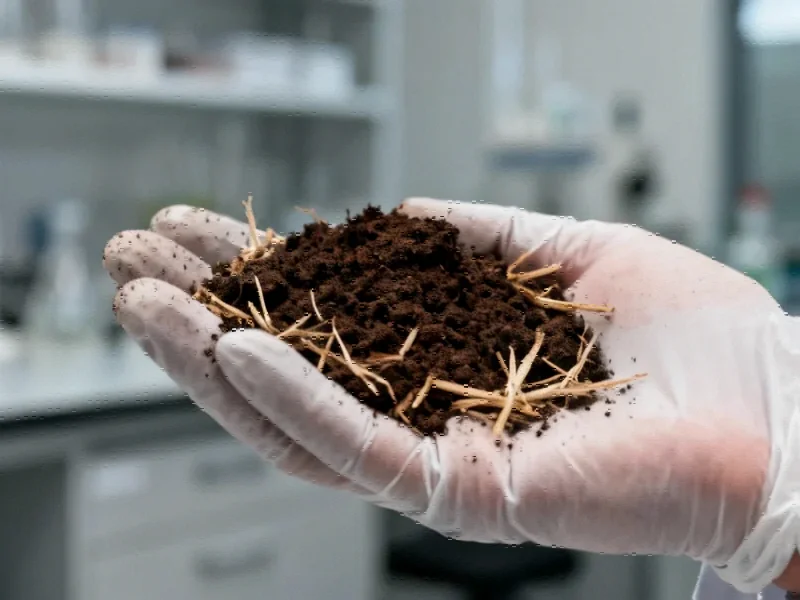
Microbial Survival Strategies Revealed in Extreme Salt Lake Ecosystems

In the extreme conditions of salt lakes, microorganisms have developed remarkable survival strategies through symbiosis and adaptation. New findings reveal how nanohaloarchaea maintain parasitic relationships while potentially evading viral attacks in these harsh environments.

Extreme Environments Host Complex Microbial Relationships

According to recent reports published in Nature Microbiology, salt lakes present some of the most challenging environments on Earth, yet they support diverse microbial communities that have evolved sophisticated survival mechanisms. These hypersaline environments feature molar salt concentrations that would prove toxic to most organisms, creating conditions that demand unique adaptations for survival.

ResearchScience

New AI Framework Revolutionizes 3D Cell Tracking with Unprecedented Accuracy and Speed

Researchers have developed a groundbreaking cell tracking framework that combines contrastive learning with efficient computational design. The system reportedly achieves real-time 3D tracking while dramatically reducing error rates compared to existing solutions.

Breakthrough in Biological Imaging Technology

Scientists have developed a revolutionary artificial intelligence framework that reportedly transforms how researchers track individual cells in three-dimensional space, according to newly published research. The system, dubbed CELLECT, utilizes contrastive learning techniques to create latent embeddings that represent diverse cellular structures, enabling unprecedented tracking accuracy across different species and imaging modalities.