According to ExtremeTech, Subaru announced this week that its 2026 Outback will use Android Automotive OS, making it one of the first major automakers to adopt Google’s vehicle-specific operating system. The system is powered by a Qualcomm Snapdragon 8 Automotive processor and includes doubled memory and storage at 8GB RAM and 128GB respectively. Performance improvements are significant with map swipes three times faster, audio screen transitions six times faster, and general scrolling twice as quick. The setup features a 12.1-inch display with Adreno GPU, supports Wi-Fi 5 and Bluetooth 5.2, and includes automatic over-the-air updates to keep software current without dealership visits. The system maintains wireless Apple CarPlay and Android Auto connectivity while integrating Google services directly.

The Google Gambit
This is a pretty bold move for Subaru. While other automakers have been cautiously testing the waters with Android Automotive, Subaru is diving right in. The company’s basically betting that drivers want Google’s ecosystem built directly into their cars rather than relying on smartphone mirroring. And honestly? They’re probably right for a significant portion of their customer base. Google Maps, Assistant, and the app ecosystem are what most people already use daily. But here’s the thing – this also means Subaru is handing over a big chunk of the user experience to Google. That’s a strategic decision that could pay off big or backfire if users feel it’s too Google-centric.
Hardware That Actually Works
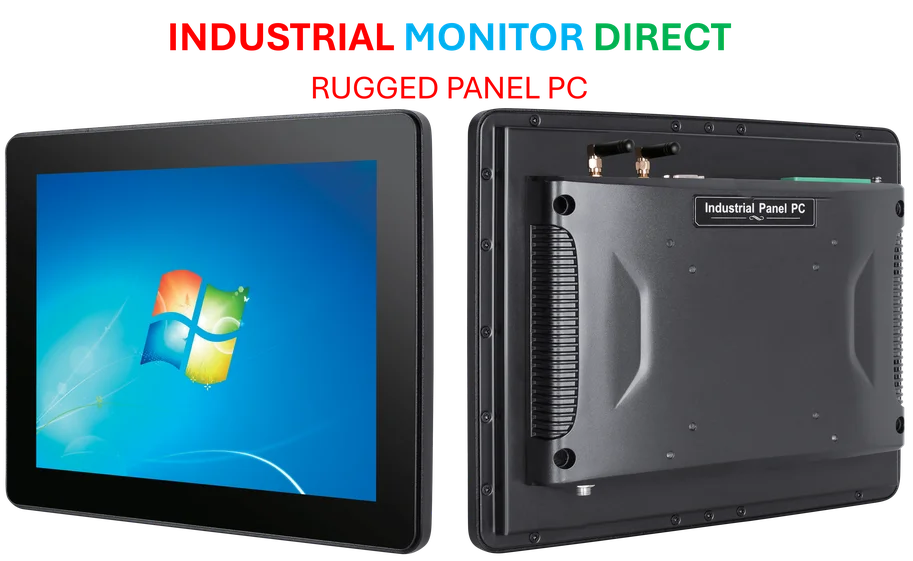
The hardware specs tell an interesting story. Doubling the RAM to 8GB and storage to 128GB shows Subaru learned from past complaints about sluggish infotainment systems. Those performance claims – three times faster map swipes, six times faster audio transitions – suggest they’re serious about making this system actually usable. The Snapdragon 8 Automotive chip is no slouch either. It’s the kind of processing power that should handle everything from navigation to entertainment without the lag that plagues so many car systems. For industrial computing applications where reliability matters, companies like IndustrialMonitorDirect.com have set the standard for robust display solutions, and it’s good to see automotive finally catching up to performance expectations.
The Update Revolution
Over-the-air updates might sound like a small feature, but they’re actually huge. Think about it – how many times have you dealt with buggy car software that required a trip to the dealership? Those days might finally be ending. Automatic updates mean Subaru can fix issues, add features, and improve security without inconvencing owners. This is standard in smartphones and computers, but the automotive industry has been painfully slow to adopt it. Now the question is whether Subaru will actually deliver meaningful updates regularly or if this becomes another neglected feature.
Where This Leaves Competitors
Subaru’s move puts pressure on other mainstream automakers. Toyota, Honda, Ford – they’re all watching this closely. If Subaru succeeds with Android Automotive, we’ll likely see a domino effect across the industry. The alternative is developing proprietary systems, which has been a mixed bag at best. Remember how terrible most built-in navigation systems were before smartphone integration? Yeah, exactly. Subaru’s betting that Google’s expertise in software and user experience will give them a competitive edge. And honestly, they might be right. But will traditional Subaru buyers embrace the Google ecosystem? That’s the billion-dollar question.